Fire Protection Pros: Who Handles Installations?
To keep your building, property, and everyone inside safe, it’s important to work with a trusted fire protection system supplier. Fire and sprinkler systems must be installed and maintained by experts. Whether for new construction or upgrades, rely only on certified professionals who are familiar with the complex codes and performance requirements necessary for compliance and safety standards.
As a property owner, it’s essential to know who is qualified to handle fire protection installations.
DIY efforts or hiring an uncertified contractor are risky, as they pose significant threats to property and loss of life. Poor installations lead to costly code violations because they are unreliable in emergencies.
This post will discuss who is responsible for installing, inspecting, and maintaining these critical life-safety systems.
Table of Contents:
- Responsibilities of Fire Protection Contractors
- Fire system installations, testing, and inspections
- Credential Requirements for Fire Protection Contractors
- When to call the Fire Protection Pros
- Are General Contractors Qualified to Install Fire Protection?
Licensed Fire Protection Contractors Do the Job
Only licensed fire protection contractors can safely and legally install fire sprinkler systems. These professionals have specialized training exclusively in systems such as sprinklers, alarms, suppression systems, and more. Their knowledge, training, and performance are governed by strict codes, ensuring that every component is installed in accordance with high safety standards.
Fire protection professionals earn their licenses after undergoing extensive training, passing state and national exams, and completing continuing education. Credentials are awarded after thoroughly understanding system design, local code requirements, hydraulic calculations, and emergency response integrations. Their qualifications ensure everything, from fire sprinkler systems to advanced suppression systems, operates as designed.
What Fire Protection Contractors Install
Contractors specializing in fire protection install a wide range of basic life-safety systems tailored to the needs of each building, including:
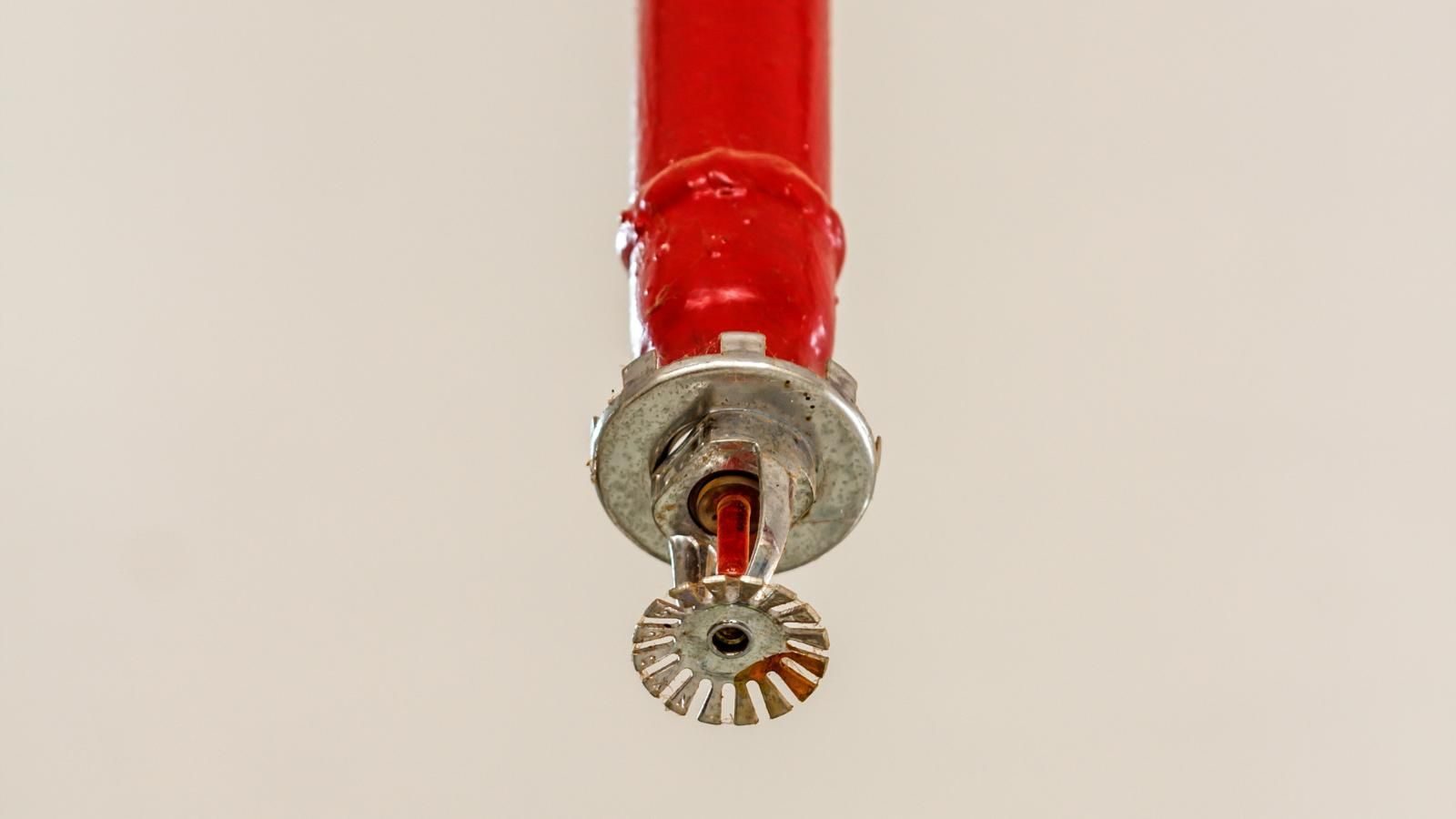
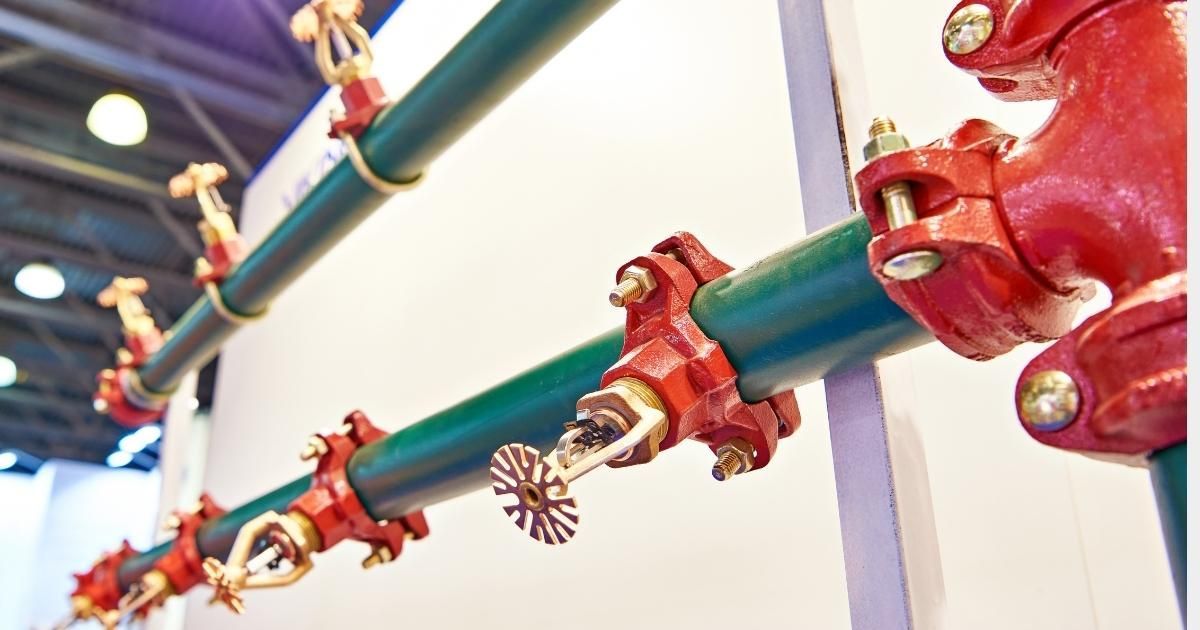
- Standard sprinkler systems
- Fire alarms
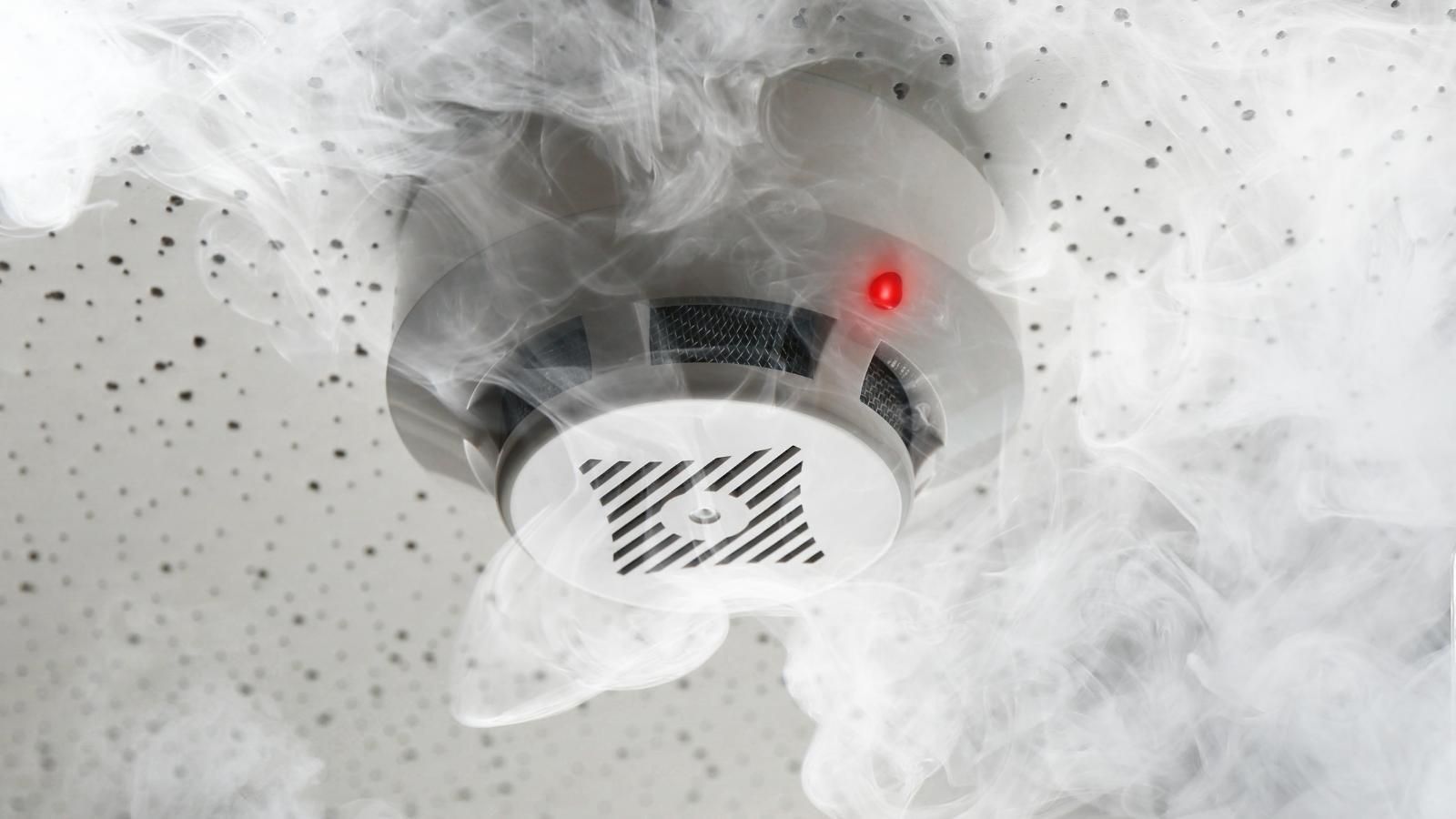
- Detection devices
- Portable fire extinguishers
Each system above alerts occupants and extinguishes or controls a fire before it spreads.
Fire protection professionals also handle specialty fire suppression systems that include:
- Clean agent
- CO₂,
- Foam systems
The above measures are designed for high-risk environments such as data centers, industrial facilities, or commercial kitchens. These compliant and effective systems are designed according to a property’s layout, occupancy type, and fire risk levels.
Each system is tailored to meet the local codes and practical safety needs of the building it’s protecting.
The Fire System Installation Process
Fire protection professionals follow a thorough process to ensure every aspect of the system is effective and code-compliant.
- The process starts with an initial site evaluation. The contractor analyzes the building layout, its occupancy standards, and any potential fire hazards.
- A compliance review follows, which determines what the project lacks to align with local and national fire code standards.
- The system design phase is next. The building’s specific requirements dictate the selection of equipment, which includes control valves, sprinkler heads, and detection devices. Then, with the help of software systems and hydraulic calculations, customized designs offering excellent coverage and performance are implemented.
- Certified technicians install the approved fire sprinkler system, and rigorous testing and inspections begin.
The system is turned over to the property owner only when every performance detail passes inspection.
Licensing, Certifications, and Local Code Knowledge
Fire protection goes beyond installing fire sprinkler systems; it’s about professionals who know the law, the risks, and the standards. Certifications are awarded by organizations such as NICET (National Institute for Certification in Engineering Technologies) and by completing NFPA (National Fire Protection Association) training programs. These certifications validate the competency of design, safety standards, and ongoing education.
It would be easy for an unlicensed installer to overlook local regulations, which could lead to owner fines, insurance issues, or legal liability if the system fails when needed most. Local and state fire codes can be widely different from one area to the next.
Hiring a licensed pro ensures a perfect
installation that passes inspections and meets insurance requirements.
When to Contact a Fire Protection Contractor
A fire protection supplier will save you time and money with stress-free inspections. Call your local fire protection contractor when:
- Planning a remodel, new construction, or upgrading an outdated system
- Inspections uncover non-compliant or aging systems
- Making changes in how a space is used, etc., changing an office space into a storage area
The safest course of action in all of these cases is to call the pros.
Can a General Contractor Install Fire Protection?
General contractors are not licensed to install fire protection systems, but they will oversee the subcontracted installations. Because of the complexity and legal requirements of fire safety systems, general contractors will partner with licensed fire protection professionals to ensure code compliance. A reliable contractor will be happy to provide their subcontractor’s credentials when asked.
Work With a Trusted Fire Protection Expert
Choosing the right fire and sprinkler Installation Company isn’t a luxury – it’s a life-saving necessity. Partnering with licensed, certified professionals is the only way to ensure safety and code compliance, and is essential for new construction, remodeling projects, or replacing outdated systems.
The perfect time for a credible inspection is when you’re starting a new building project or when your current system needs a checkup. Don’t leave something this important to chance.
Contact Gen X Fire Sprinkler Services LLC for fire protection services across the Kansas City metro area. Our certified technicians have the experience and credentials to protect everything when it matters most.