What Pipe Types Work Best in Sprinkler Systems?
Class 101 for fire sprinkler repair begins with understanding which pipe materials are required for safety, code compliance, and longevity. Follow the NFPA standards established for commercial and residential properties when installing or repairing a sprinkler system to get it right. Choosing the right fire protection pipes and knowing when the fire pipeline needs repairs or replacement will enable property owners to make informed decisions.
In this post, we will discuss:
NFPA-Mandated Pipe Types for Sprinkler Systems
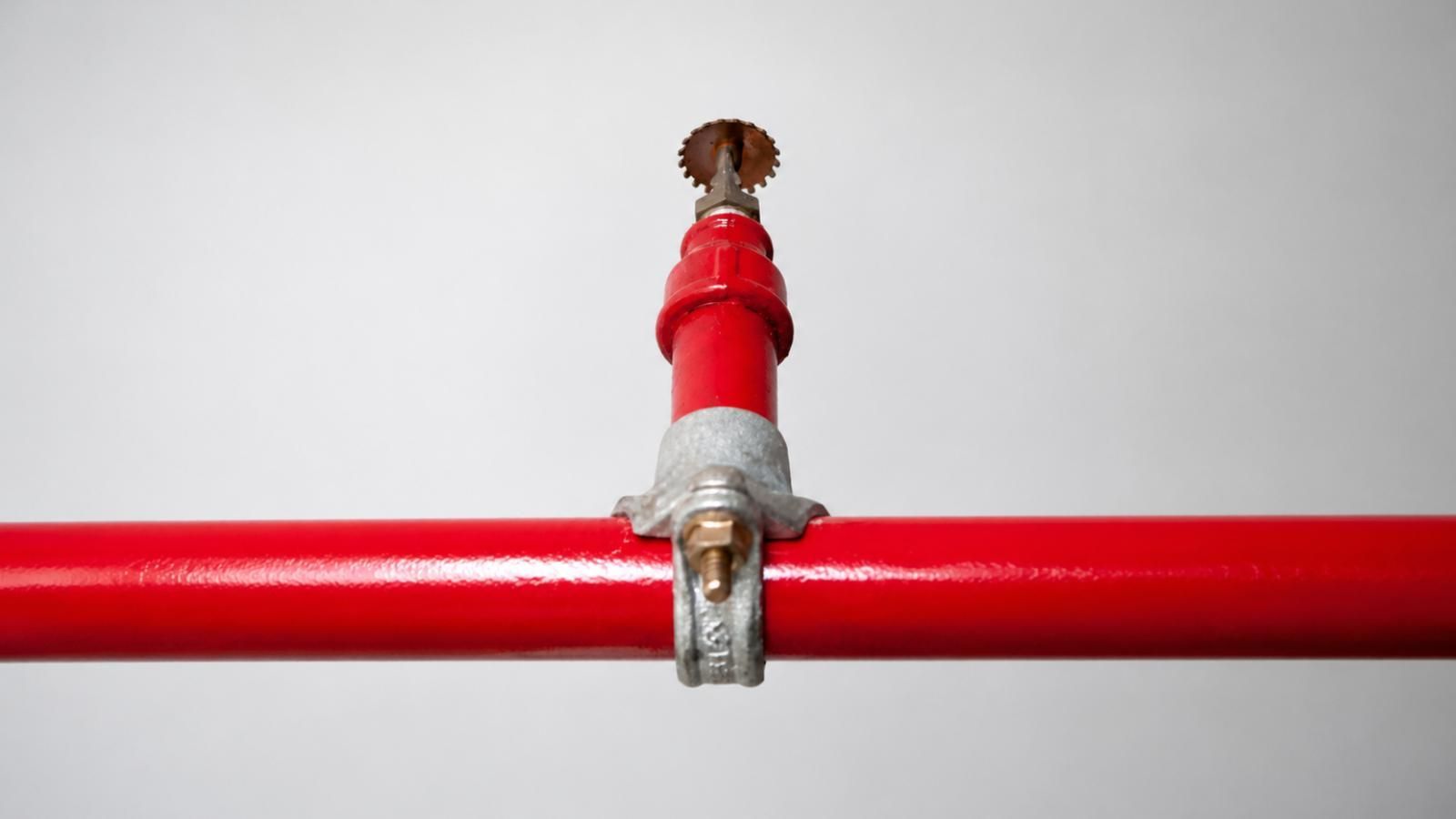
No guesswork is needed to figure out what type of pipe is used for fire sprinkler systems, because the NFPA has established the approved materials, sizes, and classifications for you. NFPA has approved several materials for sprinkler systems, including black steel, galvanized steel, CPVC, and copper. The material type to use depends on the system design and application.
NFPA has endorsed black steel, galvanized steel, CPVC, and copper, depending on how and where they are used. Black steel is durable and most commonly used. Galvanized steel is used when extra corrosion resistance is needed. CPVC is used in light-hazard residential and commercial spaces. Copper is usually reserved for specialized installations.
Fire suppression pipe sizes are also regulated by NFPA standards and determined by the building’s needs. Buildings are evaluated by their hazards, water demand, and layouts. The pipeline materials and size determine the amount of water flow they can deliver to meet the fire safety requirements.
When property owners follow NFPAs standards for fire protection pipe networks, the system will function as designed during an emergency.
Steel Pipe in Fire Sprinkler Systems
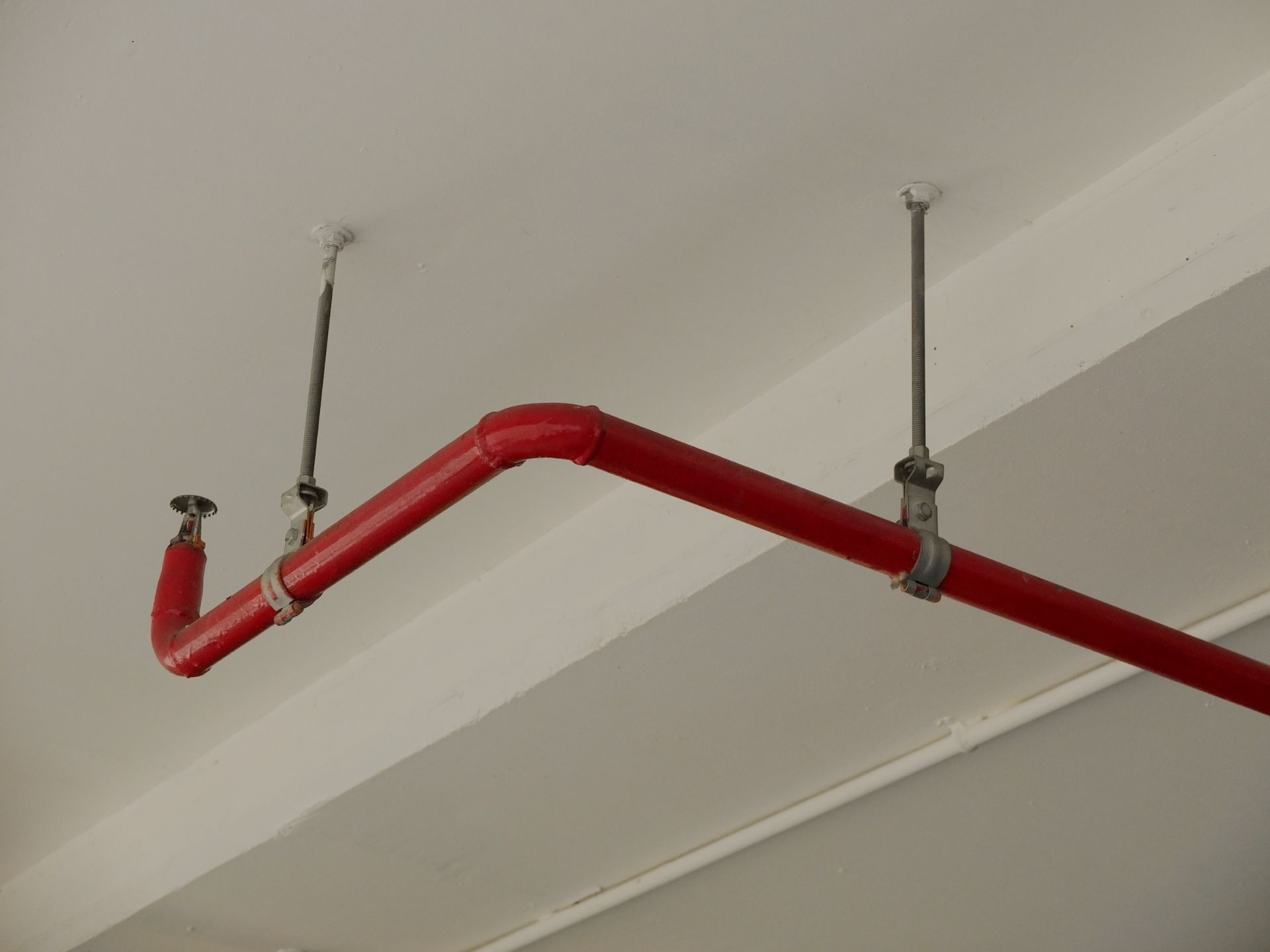
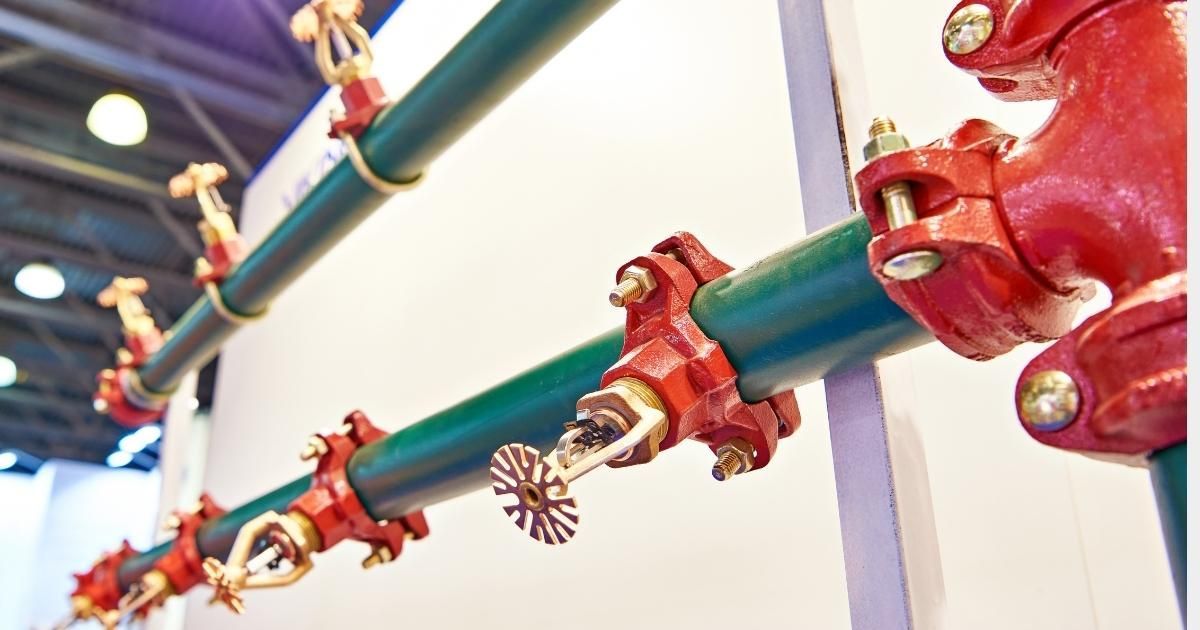
Steel is most commonly used in a sprinkler piping system for commercial buildings. Black steel works best for high-pressure wet-pipe systems because of its strength. Galvanized steel has a corrosion-resistant zinc coating that’s used when exposure to moisture and air poses a corrosion risk.
NFPA’s fire classification of galvanized steel varies according to the building’s use and system design. Even though galvanized steel resists corrosion better than black steel, it’s not always the best solution for certain systems. To select the right fire pipeline material, one must factor in the water conditions, system type, occupancy, and inspection requirements.
Fire pipe sizes are another crucial consideration for commercial buildings. Fire suppression pipes range in size from 1 to 8 inches or larger, depending on the building’s hydraulic calculation needs. Obviously, main lines are larger, while branch lines are usually smaller to feed separate sprinkler heads. To maintain correct water pressure, flow, and system performance, the correct steel pipes must be installed.
CPVC Pipe for Light Hazard Applications
CPVC pipe material is approved for residential and some commercial spaces, such as apartments, offices, schools, and other low-risk spaces - if permitted by compliance codes and the manufacturer’s design.
CPVC is lightweight, corrosion-resistant, durable, and easy to install, but it is not approved for high-temperature areas, exposed installations, industrial spaces, or spaces with higher hazards. These situations require black steel, galvanized steel, or copper materials to meet NFPA’s standards.
Copper Pipe in Specialized Fire Protection Systems
Copper is a premium material for sprinkler piping system applications. It’s corrosion-resistant, lightweight, durable, and capable of handling high water pressure. The higher price of copper causes most commercial property owners to opt for steel instead, but in situations where moisture or water quality affects other piping materials, copper offers longevity. Copper, therefore, can be specified for certain installations, renovations, or environments.
Copper pipeline installations can be found in homes and small commercial spaces, especially in historic buildings and structures where exposed piping is sought. To ensure performance and code compliance, copper pipes for sprinklers must meet NFPA requirements and manufacturer specifications.
Does Galvanized Steel Meet Fire Code Requirements?
There is some confusion surrounding the fire classification of galvanized steel. Yes, galvanized steel is an approved material for many situations, but it must follow the NFPA standards and local code requirements. Approval for galvanized steel depends on where it’s used, the environmental conditions, and the manufacturer’s specifications.
The confusion stems from the fact that galvanized steel does not have a separate fire classification that sets it apart from other materials. NFPA standards evaluate the material for approval based on its installation according to design requirements and intended use.
Galvanized steel will provide a dependable, long-lasting sprinkler piping system, but it requires correct installation, a favorable environment, and ongoing inspections with regular maintenance. Working with an experienced fire protection contractor ensures the right material is chosen for code compliance and performance.
Choosing the Right Fire Protection Pipe for Your Property
The right fire protection pipe for you depends on the building type, hazard classification, system design, and NFPA requirements. Black steel is a good choice for many commercial systems. Galvanized steel works well when corrosion resistance is needed. CPVC is approved for light-hazard applications, and copper may be recommended for specialized residential or small commercial buildings.
A professional design and installation are essential for a sprinkler piping system to meet the strict safety and performance standards. The correct pipe material, size, and installation setup support efficient water flow, performance, and code compliance. For expert guidance on NFPA-approved materials and compliant fire sprinkler installation in the Kansas City metro area, contact GenX Fire Sprinklers LLC.