When Are Fire Sprinklers Required by Code?
Most commercial and multifamily buildings will require a fire sprinkler installation to meet code requirements. Safety regulations are frequently amended, so property owners should understand the current fire code sprinkler requirements. Regulations vary by jurisdiction, yet there are basic standards they all must follow when fire protection is essential. Knowing when fire sprinklers are required protects you from delayed permits, fines, failed inspections, and liability suits.
In this post, we’ll cover:
Fire Sprinklers Are Required Based on Size, Occupancy, and Renovations
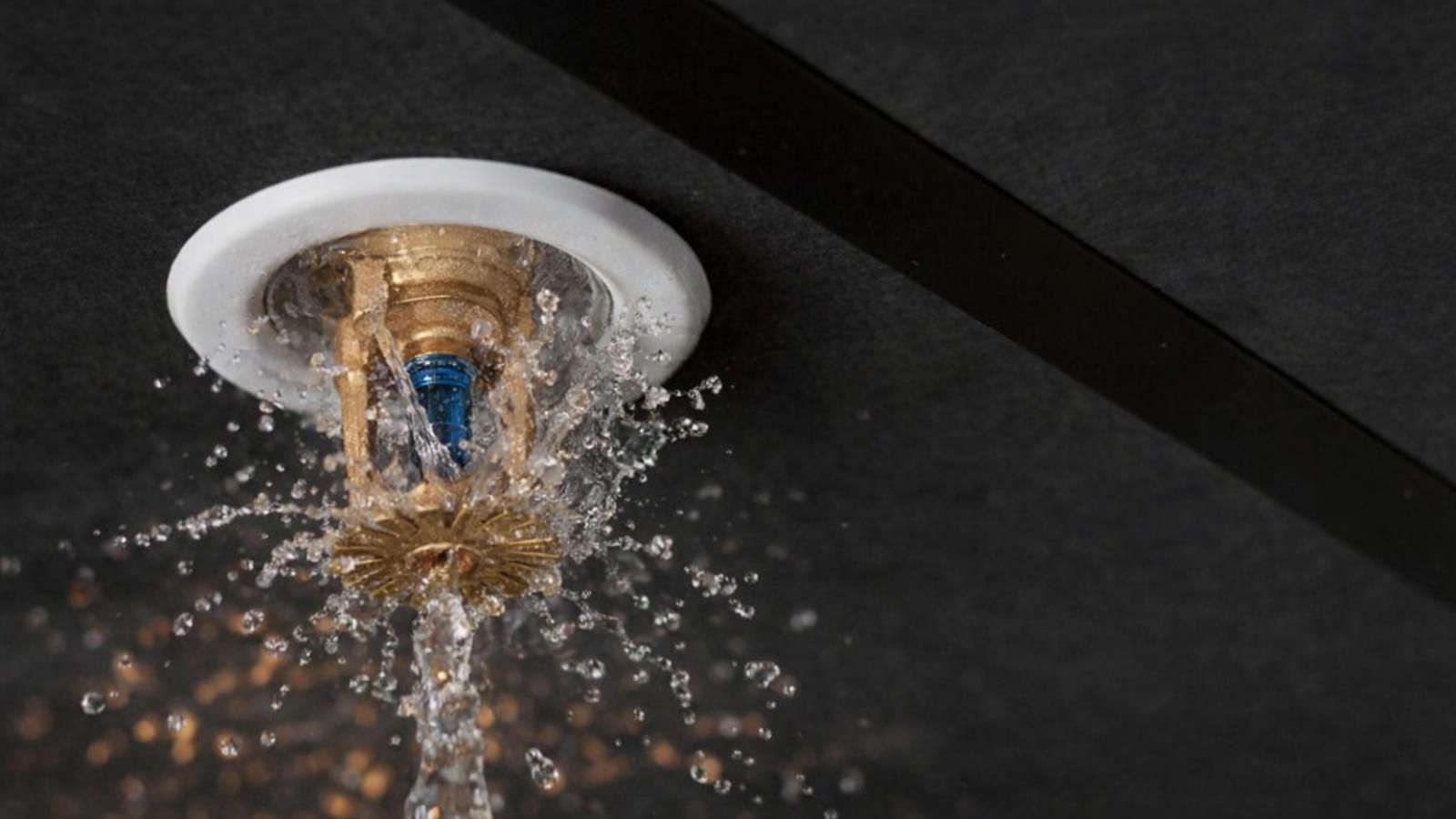
How does one know when fire sprinklers are required by code? Generally, sprinkler systems are required based on square footage, occupancy, height, and structural changes.
Generally, a sprinkler protection system is required when:
- A new commercial space is over 5,000 square feet
- Renovations expanding beyond 5,000 square feet must comply
- Single-tenant expansions exceed12, 000 square feet
- Buildings are over 55 feet high
- Townhomes are attached with three or more units
Different localities may amend the above rules, but these are the common national standards for determining when fire sprinklers are required.
Fire Area and Square Footage Requirements
A fire protection sprinkler system is required in a commercial building when the indoor area exceeds 5,000 sq. ft. The same rule applies to remodels and additions that exceed 5,000 sq. ft. The building must also comply with the 5,000 sq. ft. rule, even if sprinklers were not installed originally.
The standard 12,000 sq. ft. rule applies to single-tenant buildings. If a renovation extends the total area beyond the 12,000 sq. ft. requirement, a fire code sprinkler system must be installed – even if fire sprinklers were not previously installed.
Some jurisdictions may amend the 5,000 and 12,000 rules, but they are standards to use when interpreting sprinkler requirements for existing buildings and new builds.
Height and Residential Occupancy Triggers
Commercial buildings and residential properties require sprinkler systems based on factors like height and occupancy. The standard height cutoff is 55 feet. Taller buildings pose greater challenges for evacuations and limit access to firefighters. Residential properties such as townhomes with three or more attached apartments are required to install fire sprinklers. Structures with shared walls, attic spaces, and higher occupant density require strategically placed sprinkler heads to control fires. A ceiling sprinkler system will give the fire department time to respond.
Fire Sprinkler Rules for Renovations and Remodels
Renovations can spark the need for new fire sprinkler installations. If a warehouse were converted to a retail or restaurant space, the occupancy would change and require upgraded protection. When stories are added, units combined, or if occupancy is increased, you may need to comply fully. Reassessing sprinkler requirements before a remodeling project is essential for property owners to avoid redesign and retrofitting costs.
Code Compliance for Existing Commercial Buildings
Sprinkler requirements for existing commercial buildings aren’t always exempt from newer standards. Some older buildings could qualify under grandfather clauses, but normally, older protections will end when the purpose of the building changes.
Retrofitting may be necessary when:
- The building expands
- The occupancy classification changes
- Occupant load increases
- Structural alterations occur.
Sprinkler requirements are enforced by fire marshals and building inspectors when reviewing, permitting, and inspecting plans.
Do I Need Fire Sprinklers for My Small Business?
Are you wondering when fire sprinklers are required and whether your small business needs one? A small space does not automatically exempt you from national standards or local code amendments. A building’s size, purpose, and location will determine when a fire sprinkler system installation is necessary.
To be confident about fire sprinkler code requirements, it’s best to get a professional assessment. A certified professional will evaluate what your building needs to comply with regulations and pass inspections.
Also Read: The History of Fire Sprinklers: When It All Began
Stay Fire Code Compliant With Proper Sprinkler Systems
Knowing about the fire sprinkler requirements for new builds and renovations helps property owners to plan with confidence. Commercial buildings exceeding 5,000 sq. ft. are required to install fire sprinkler systems, as are tenant expansions beyond 12,000 sq. ft., buildings exceeding 55 feet high, and multifamily properties with three or more attached units. A renovation or occupancy change can also trigger updated requirements.
Staying current with fire sprinkler requirements protects your property, occupants, and project timeframe.
Gen X Fire Sprinkler Services LLC is here to serve you with expert design, installation, and service, ensuring your space fully complies with current fire code sprinkler requirements. Contact our experts today and schedule a consultation to keep your property protected and compliant.