How to Test Your Fire Sprinkler System Safely
The importance of fire sprinkler system inspection cannot be overstated. Fire sprinkler systems protect lives, property, and compliance. Testing ensures that fire sprinkler inspection requirements have been met and that the annual fire sprinkler inspection has been completed. Strict codes govern these complex sprinkler systems. Only certified professionals can validate accuracy while testing sprinkler systems for deficiencies, ensuring your building is protected and compliant.
In this post, we’ll cover the:
Hire Certified Fire Protection Experts to Test Your System
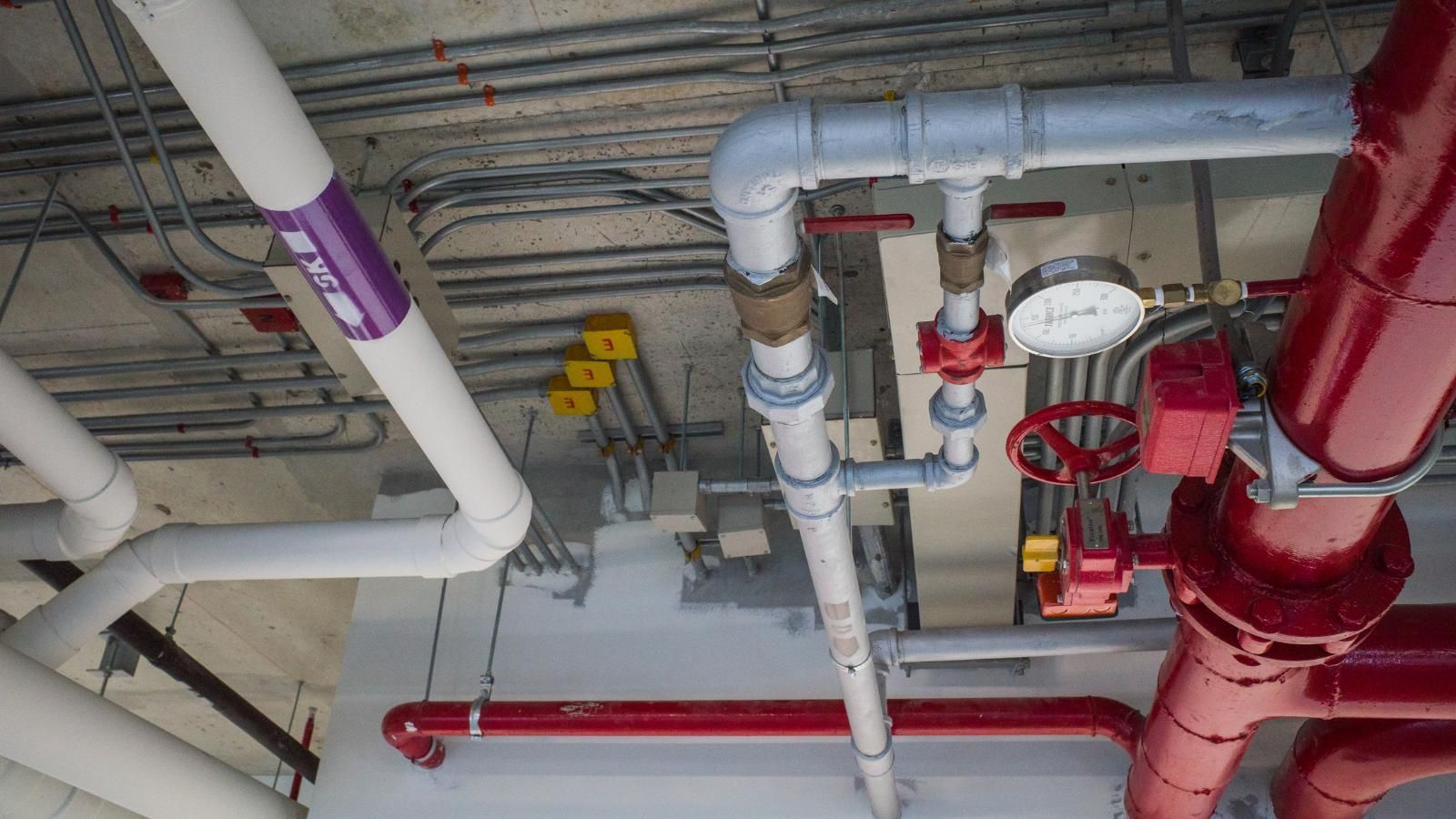
Only certified technicians can accurately test fire sprinkler systems that are governed by strict national and local codes. Professional inspectors follow the fire sprinkler inspection requirements and the proper procedures for testing sprinkler systems. The experts identify issues that untrained individuals can easily overlook. An annual fire sprinkler inspection by licensed professionals ensures your system functions as designed in the case of an emergency, and that you remain compliant for safety, insurance, and legal protection.
What Is Involved in a Fire Sprinkler Test?
A fire sprinkler test follows a structured process:
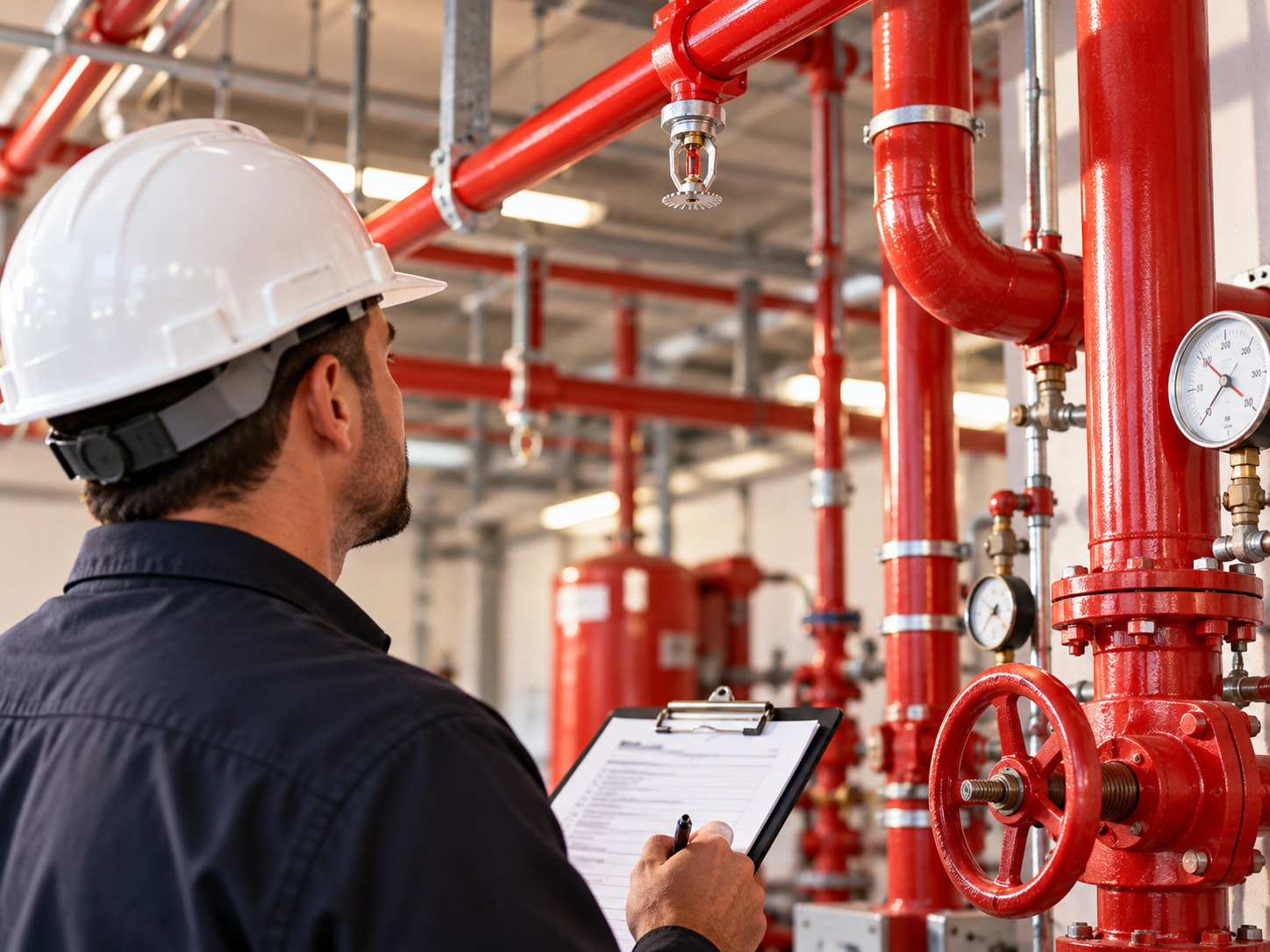
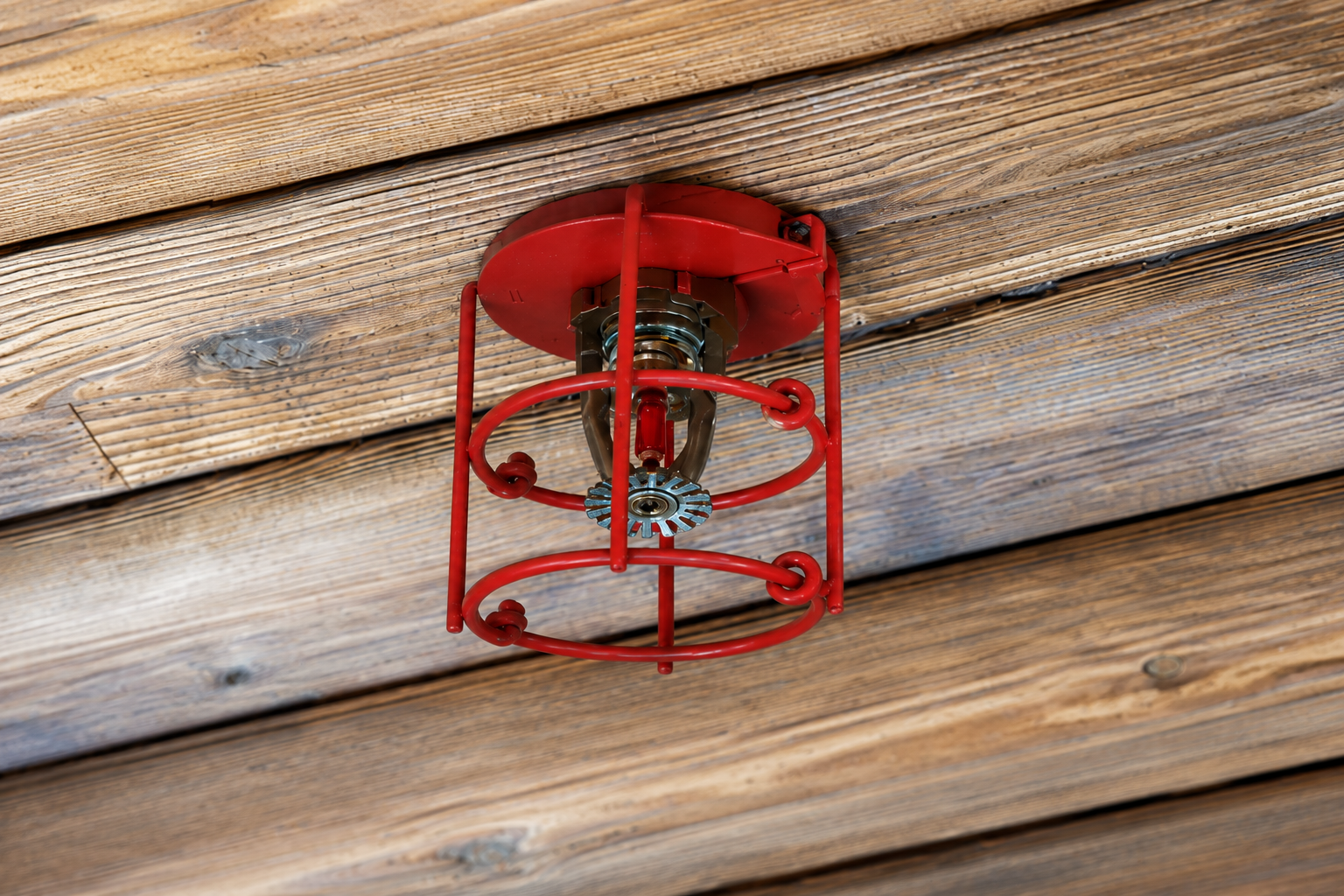
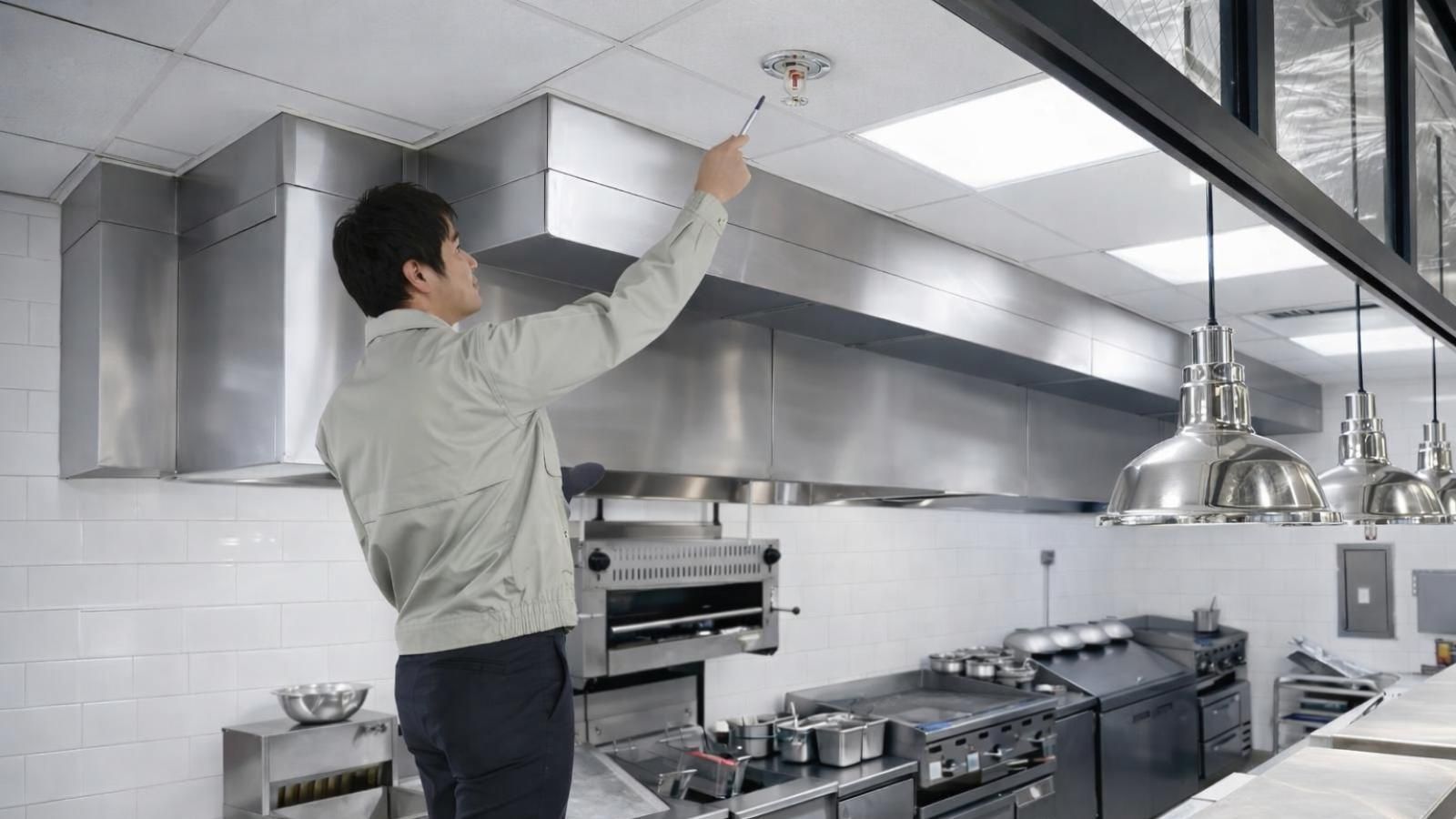
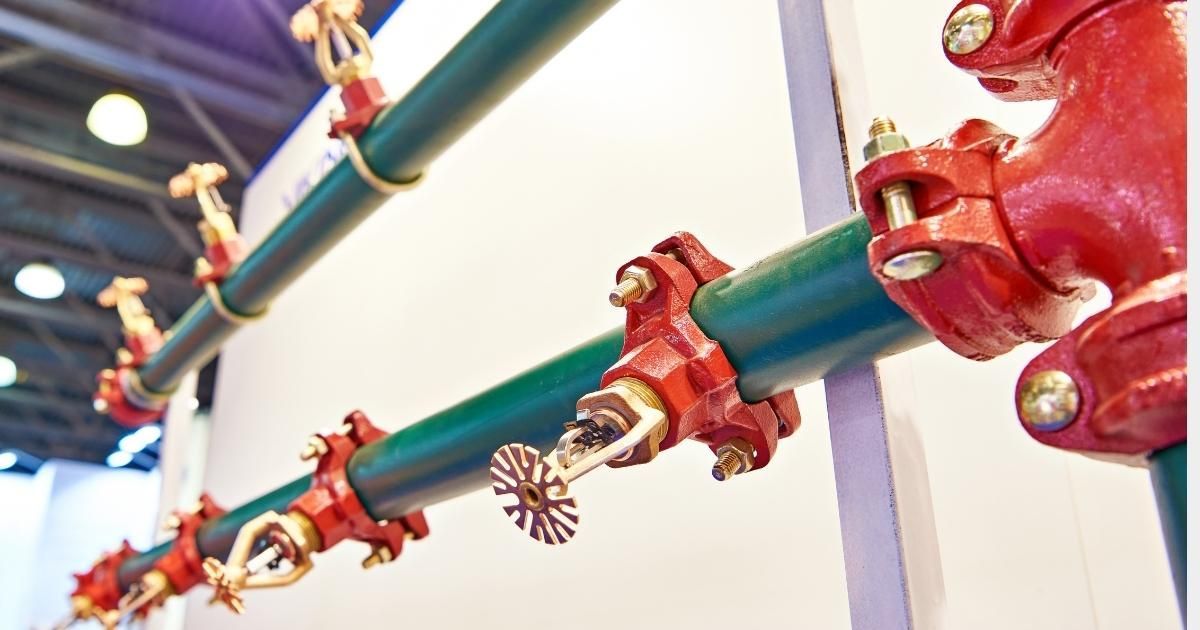
- Certified techs start with a visual inspection. They inspect the sprinkler heads, piping, and fittings for corrosion, leaks, obstructions, or signs of physical damage that could impede performance.
- Flow tests are then conducted to confirm that the correct water pressure distributes water through the system, meeting the fire sprinkler inspection requirements, so that water reaches all the protected areas quickly and effectively.
- Alarm devices and control valves must also be tested to ensure alerts activate quickly and that water flow is not delayed.
Testing sprinkler systems with certified professionals ensures the system is compliant and certified to perform well.
How Often Should You Test a Sprinkler System?
Fire sprinkler systems must be tested regularly to remain compliant, reliable, and ready to perform when needed. NFPA-25 (National Fire Protection Association) and your local authorities set the guidelines for regular inspections. They define schedules for how often inspections, testing, and maintenance must be done, in accordance with component types.
Often, quarterly visual inspections are required to inspect control valves, gauges, and alarm devices. Semi-annual inspections are detailed evaluations of components. Annual fire sprinkler inspections are comprehensive, with flow testing, detailed system performance reviews, and alarm readiness confirmations.
After inspection, you’ll receive the necessary documentation as proof of your due diligence for code compliance and insurance verification for audits or fire marshal reports.
Why Professional Testing Is Safer Than DIY
Mishandling a fire sprinkler inspection can cause accidental discharge, water damage, system impairment, or false alarm activations. Simply opening the wrong valve or misreading pressure levels can compromise system performance in the event of an emergency. Failed inspections can lead to fines, insurance issues, and declined claims. DIY testing does not meet the standards or provide the documentation needed for compliance, and will leave businesses vulnerable to fines and legal risks. Professional technicians have the training, credentials, and certification for insurance coverage that ensures your system provides the safety needed for emergencies. Professional testing safeguards your fire sprinkler system, building safety, and liability.
How to Prepare for a Fire Sprinkler Inspection
Preparation steps for a successful fire sprinkler inspection:
- Clear access:
Provide easy access to all sprinkler heads, control valves, risers, and alarms.
- Clearly communicate:
Inform all occupants about testing times.
Noisy alarms and water flow tests could impact operations. You may also need to inform the local fire department or monitoring service about your testing time to avoid accidental emergency responses.
- Keep previous documentation handy: Certified technicians may ask for your past annual fire sprinkler inspection reports and maintenance records.
These steps will minimize disruptions, ensure safety, and facilitate code compliance.
Can I Test My Fire Sprinkler System Myself?
The answer to this common question is no. Fire sprinkler systems are strictly regulated because they save lives and protect property. Still, it’s prudent for property owners to know the condition of the building’s sprinkler systems. You should inspect the condition of the sprinkler heads, ensure control valves are open, and check for signs of corrosion, leaks, or physical damage. These observations will assist you with excellent oversight, but are not a substitute for certified fire sprinkler inspections.
Keep Your Sprinkler System Compliant and Ready
Certified fire sprinkler inspections will keep your system ready when called upon during an emergency. Trained technicians will ensure all the fire sprinkler inspection requirements have been met and will back it up with documented proof of your due diligence for liability. Property owners rely on expert inspections to identify hidden issues and maintain reliable performance for peace of mind.
Professional fire sprinkler inspections protect occupants, reduce liability, and ensure your building remains compliant with local and national codes. Schedule your inspection with GEN X Fire Sprinklers LLC today to stay protected throughout the year.