Top Solutions to Stop Fires Before They Spread
Fire prevention is the really the highest caliber of fire solutions for small business owners and property managers. While there are several tips that apply in general to every situation understanding how to prevent fires in specific zones improves your overall fire protection. Thoughtful fire prevention planning helps protect people, property, and operations. Routine maintenance, employee awareness, and reliable fire protection systems can reduce damage, injuries, and costly downtime.
In this post, we will cover:
The Best Ways to Prevent Fires in Commercial Properties
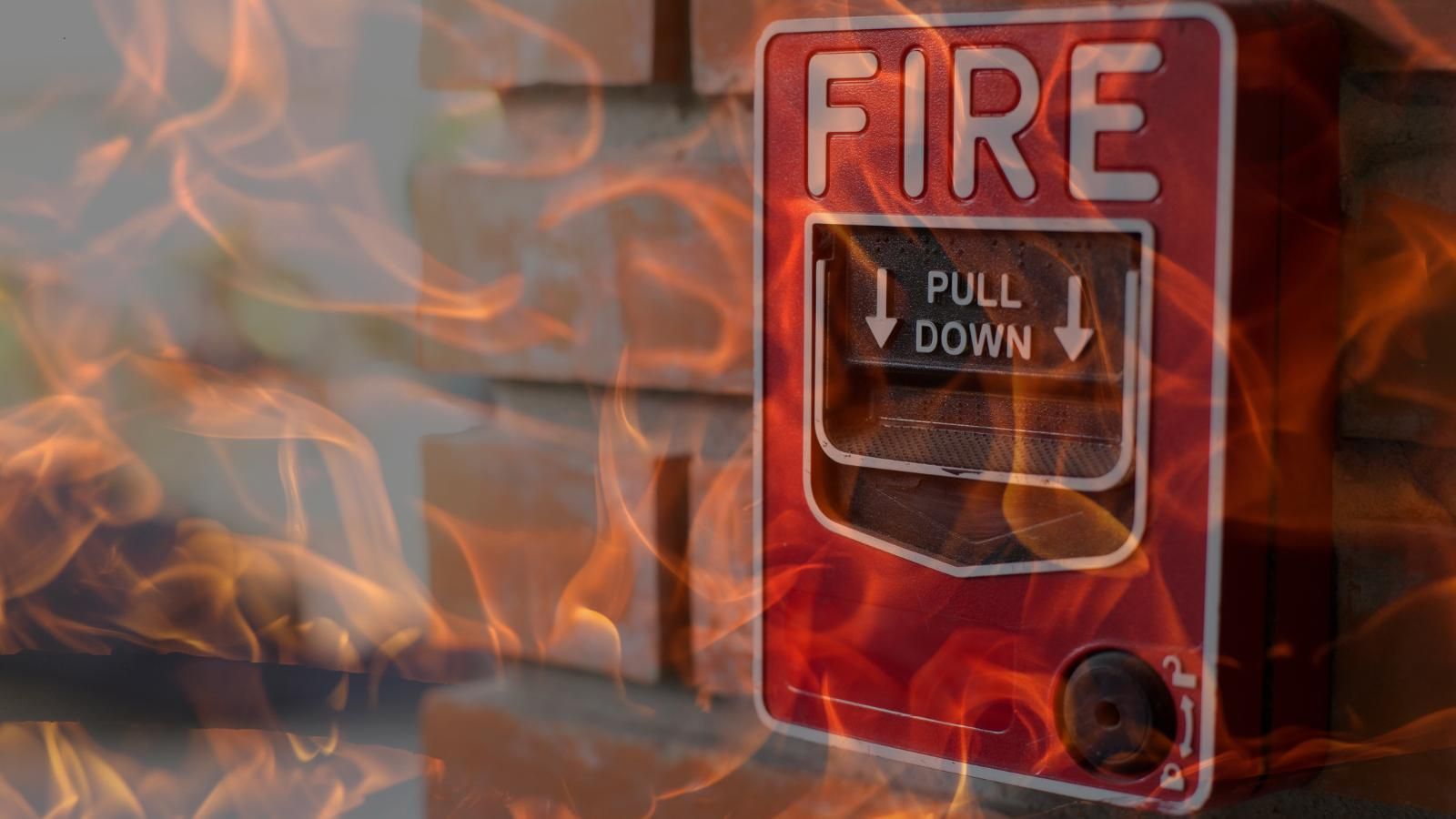
The first step to prevent fire incidents is identifying the hazards most likely to exist in your building. All commercial buildings should consider electrical equipment, climate control systems such as heating and air-conditioning, and combustible material storage, but depending on the intended use, commercial kitchen equipment, manufacturing equipment, chemicals and open flames can all present different levels of risk and require modifications to you approach to fire prevention.
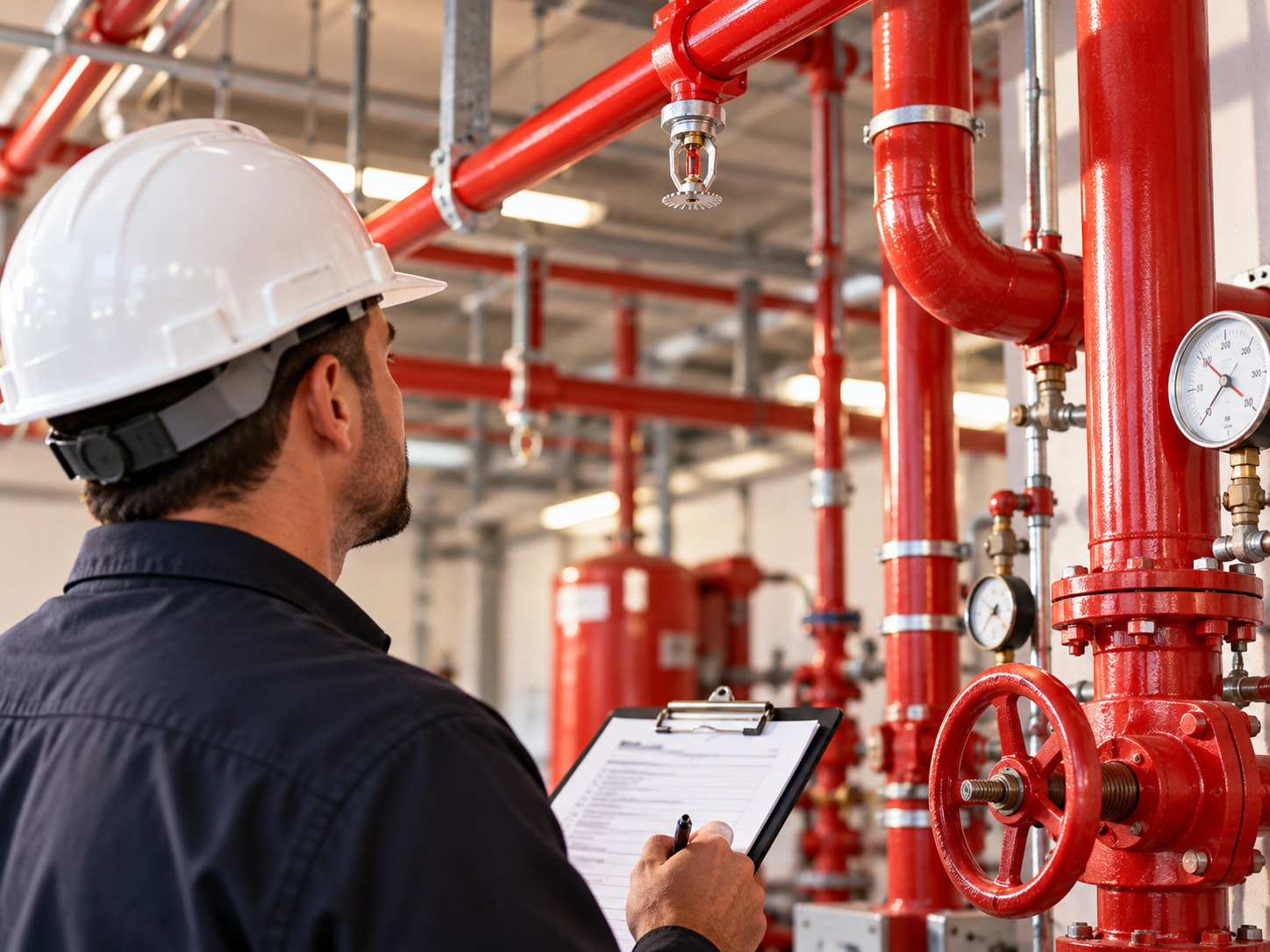
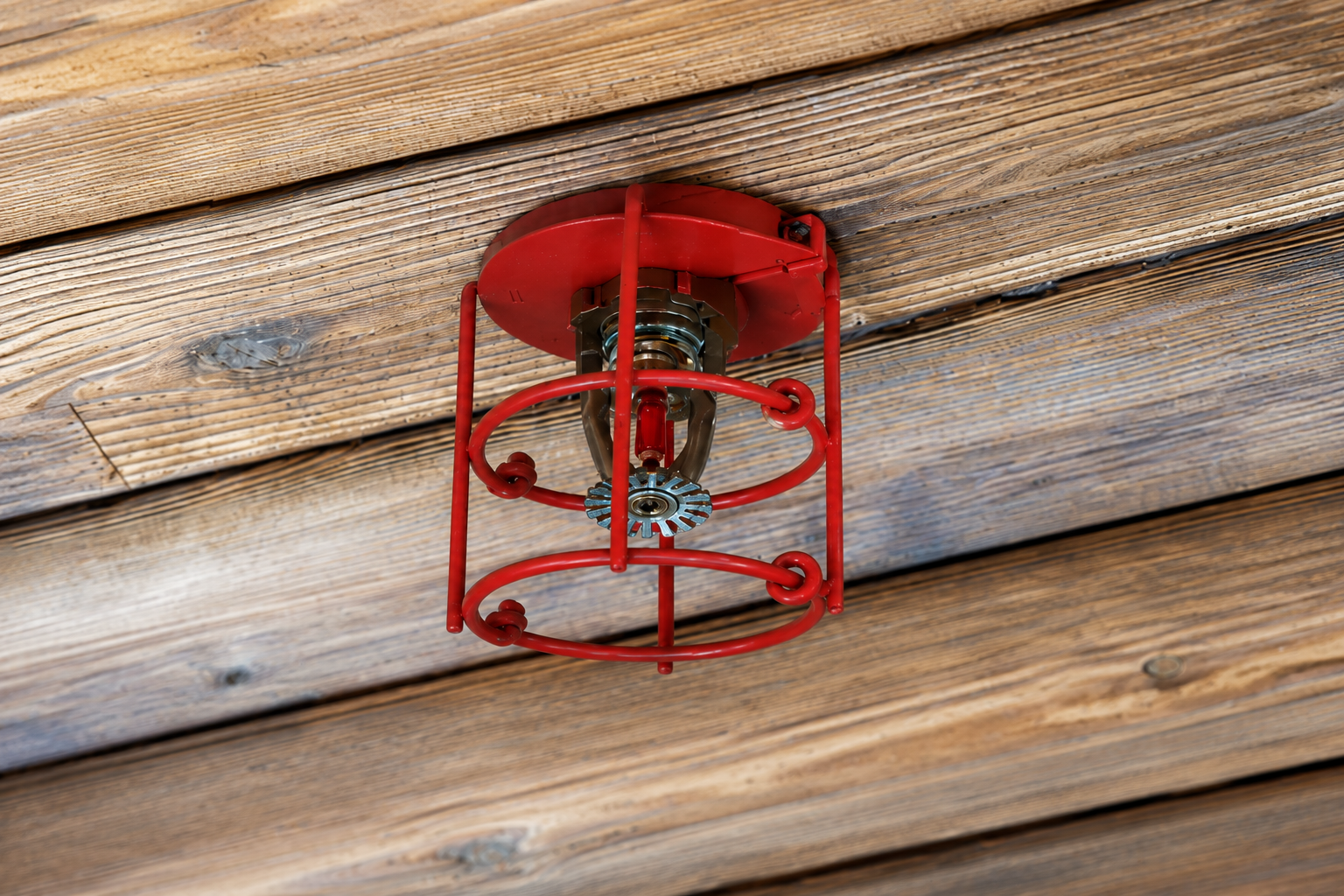
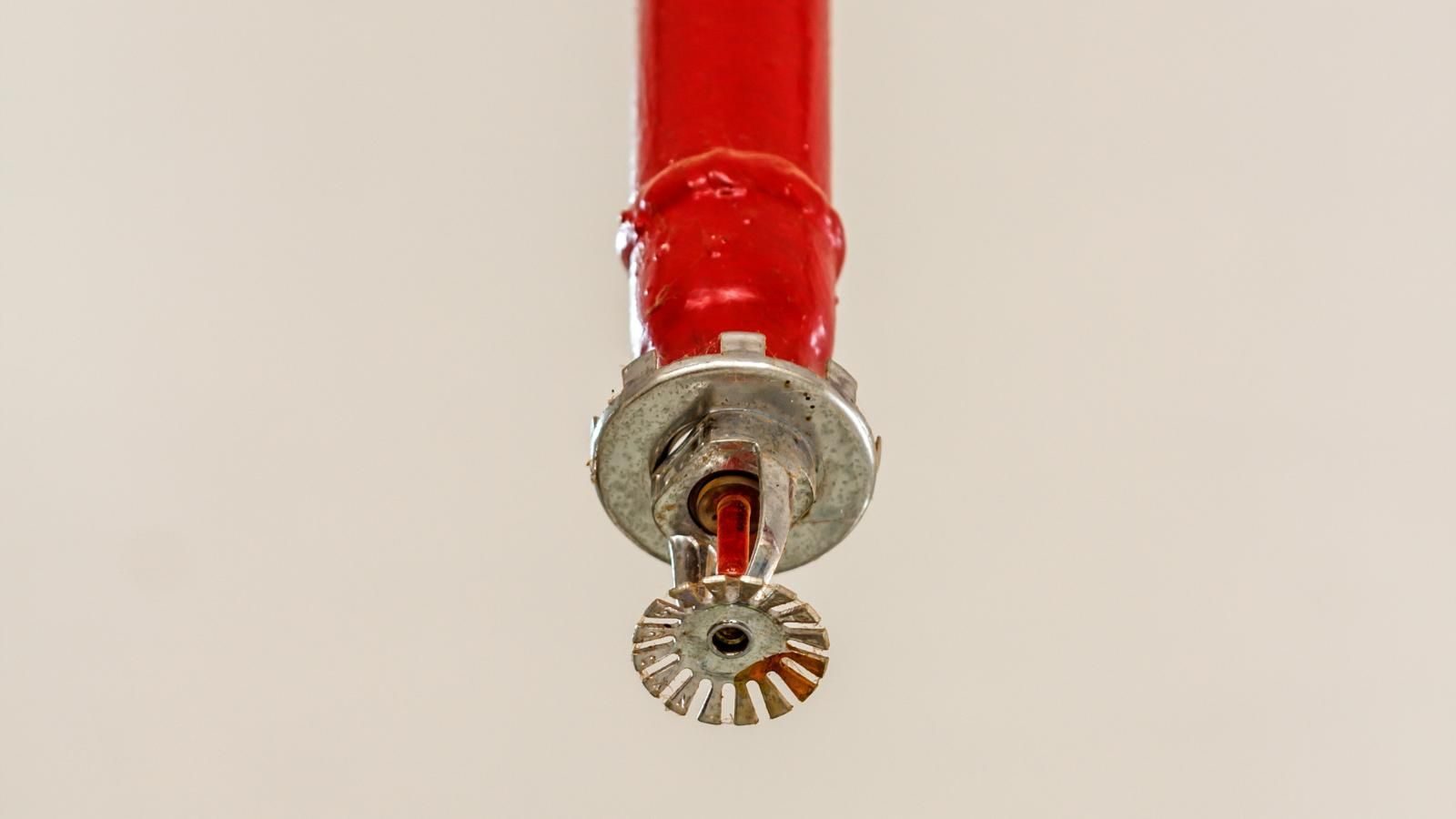
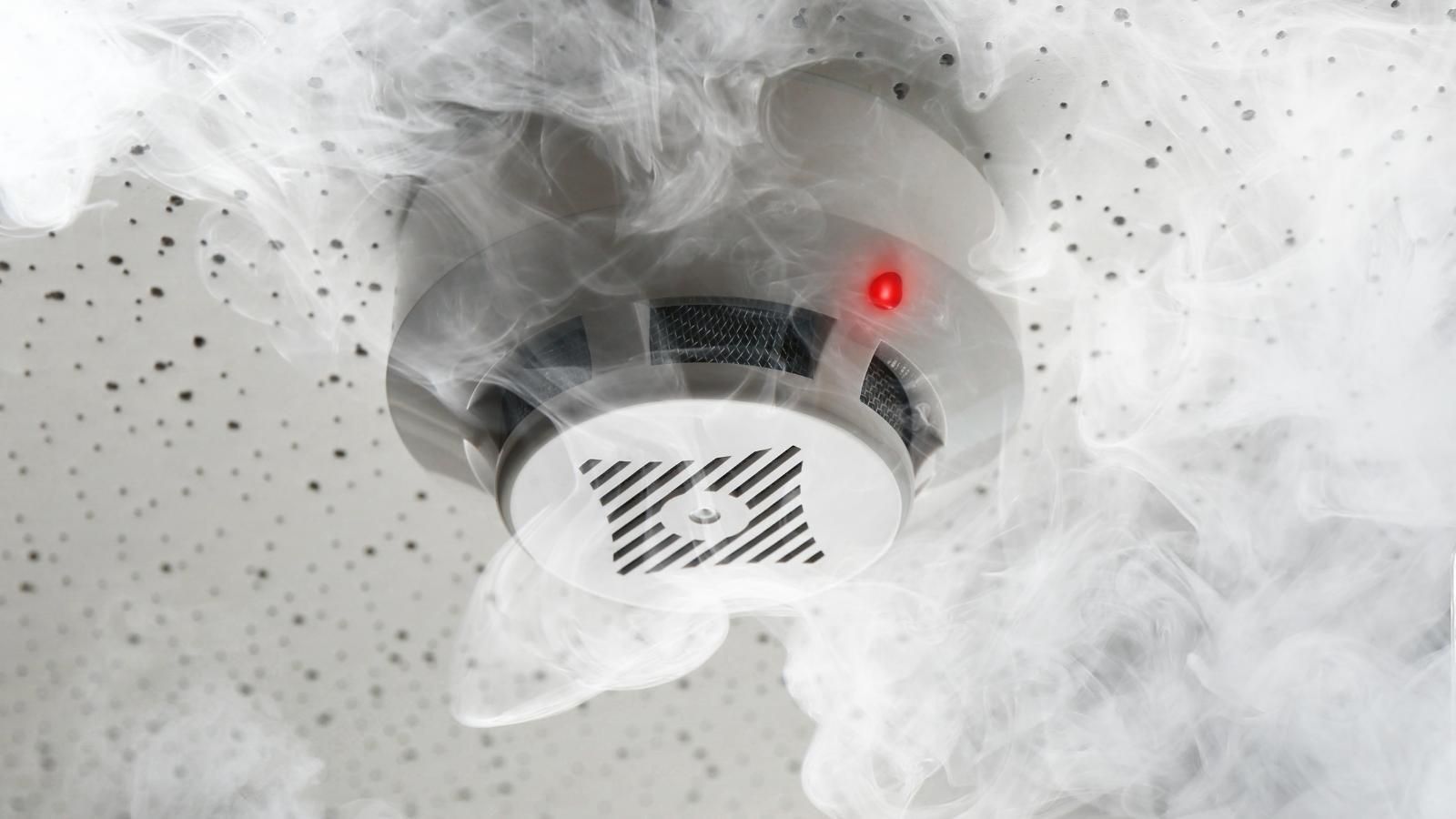
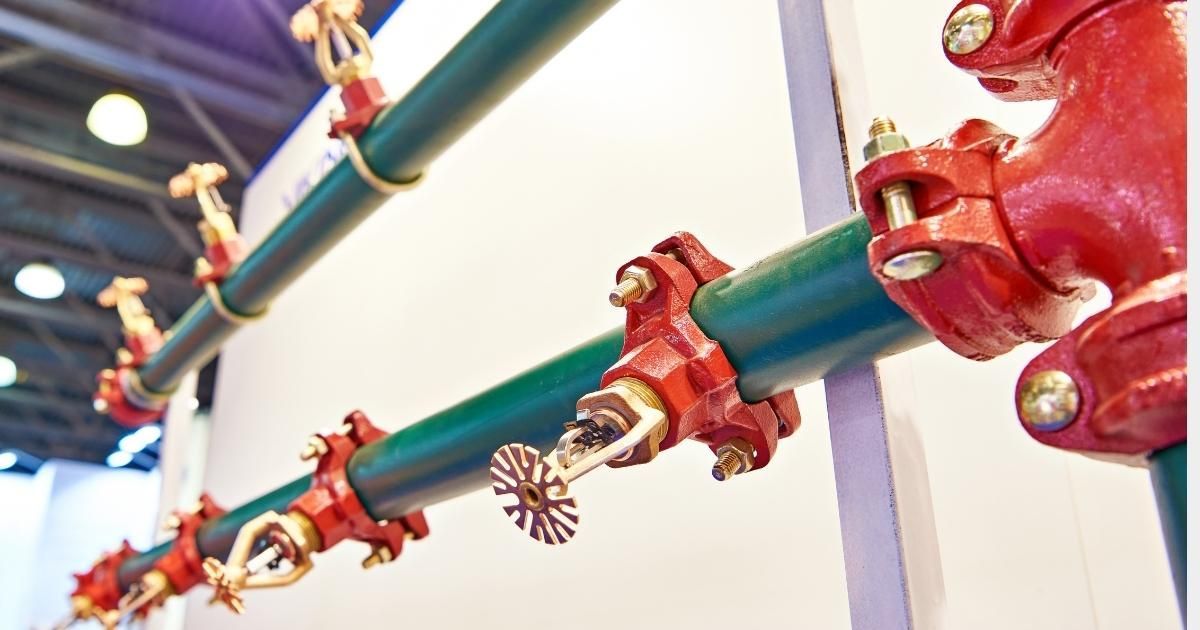
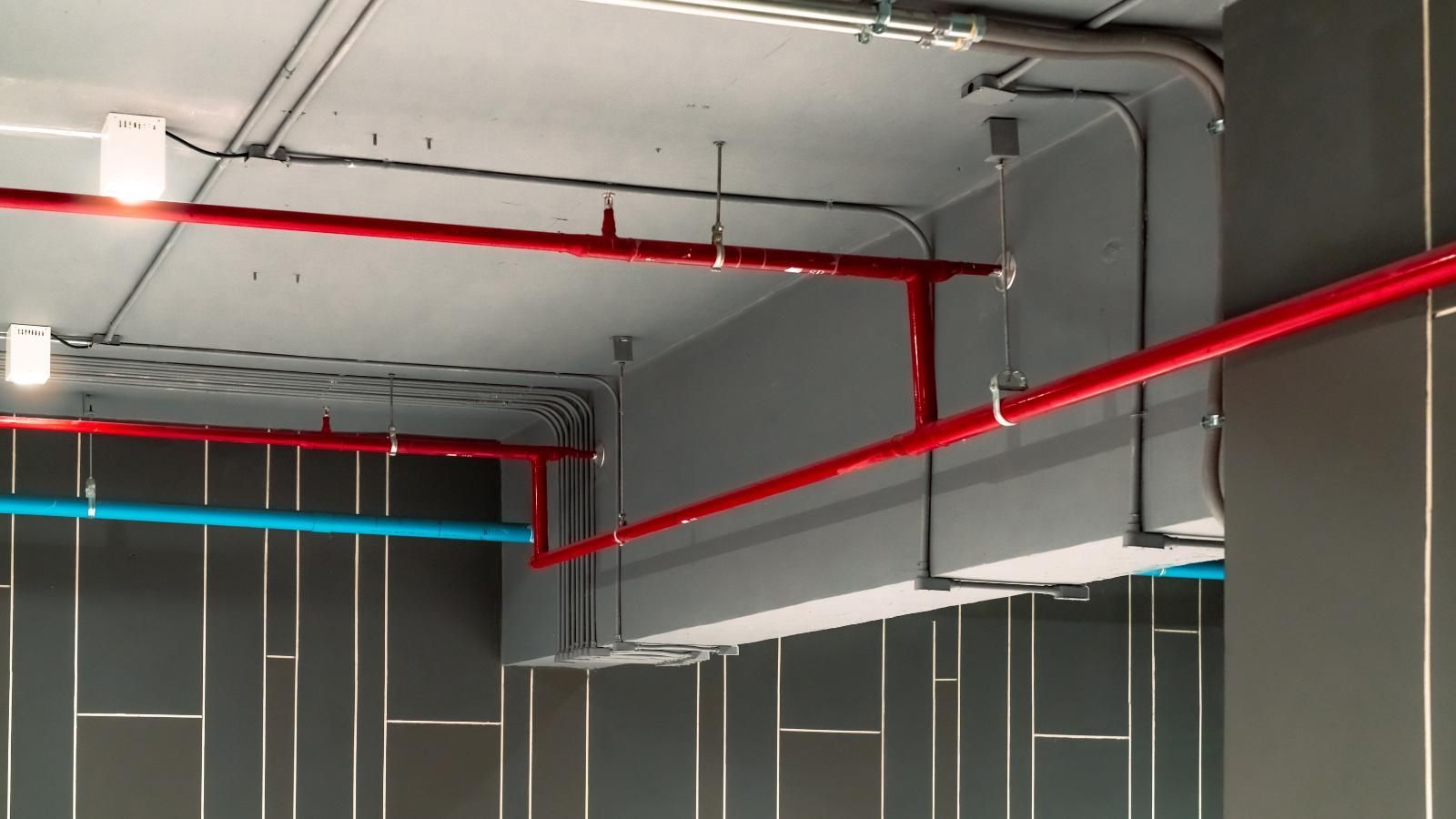
Having a reliable fire protection system plays a critical role in defense. These systems, including fire sprinkler systems, alarms and emergency lighting and well placed fire extinguishers help with safe evacuation and can help control fires quickly.
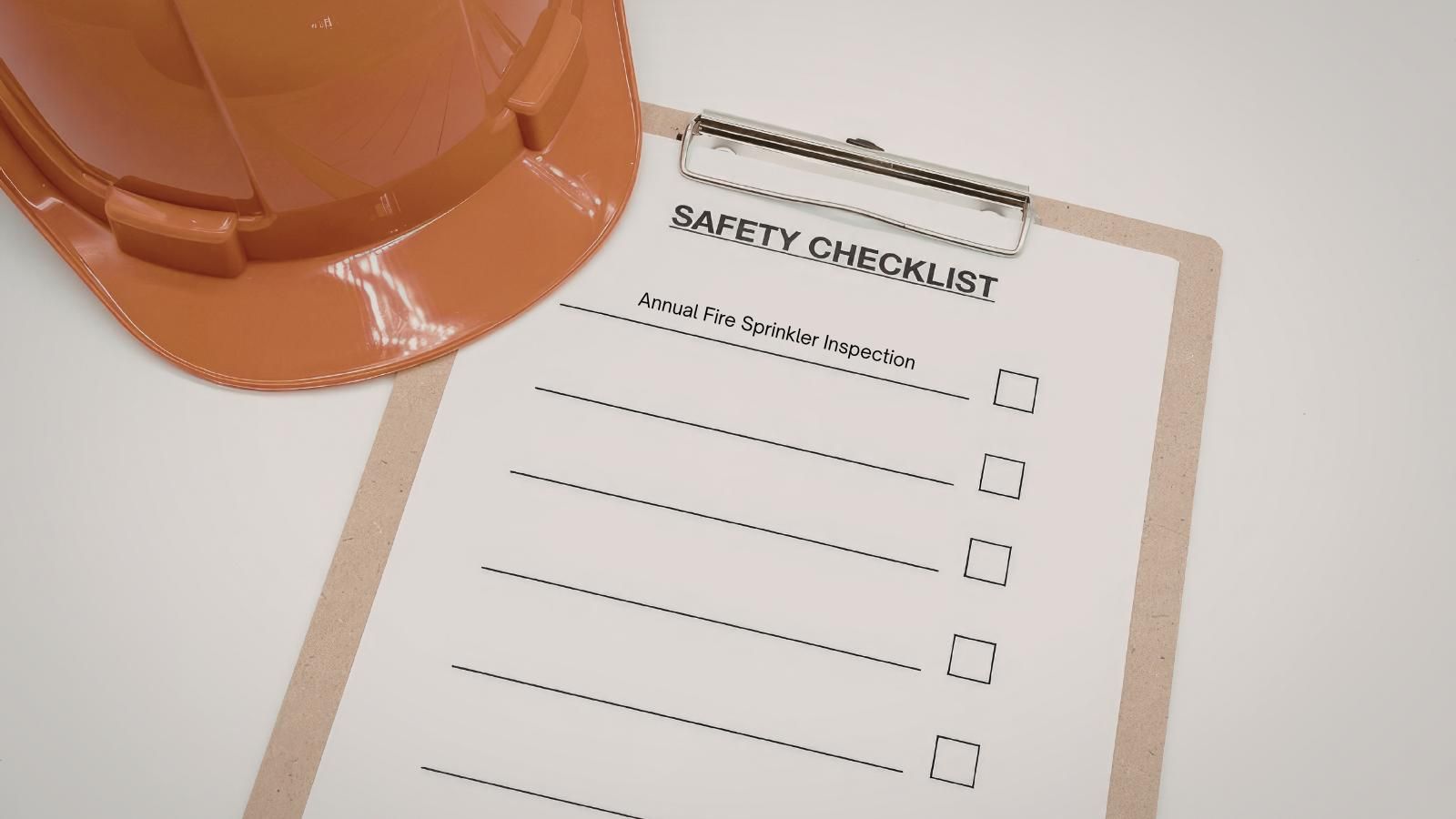
Combined with preventative maintenance such as routine inspections to spot damaged wiring, blocked exits and other conditions that can increase the risk of a fire and ongoing employee safety education, these systems provide a multi-layer protection for your employees, your business and your investment.
Preventing Electrical Fire Hazards
Electrical failures remain one of the leading causes of fires, especially in commercial buildings. As equipment and processes change additional aging infrastructure may not be able to support the higher load leading to electrical panels and damaged wiring can all create dangerous conditions.
Regularly scheduled inspections, especially in older buildings, by a licensed inspector or electrician can prevent problems from compounding and provide guidance on permanent solutions to temporary power solutions such as extension cords. Proactive maintenance such as maintaining equipment, keeping an eye on power cords for signs of wear, using best practices when it comes to power strips and extension cords and rectifying issues before they become fire hazards.
Reducing Kitchen and Cooking Fire Risks
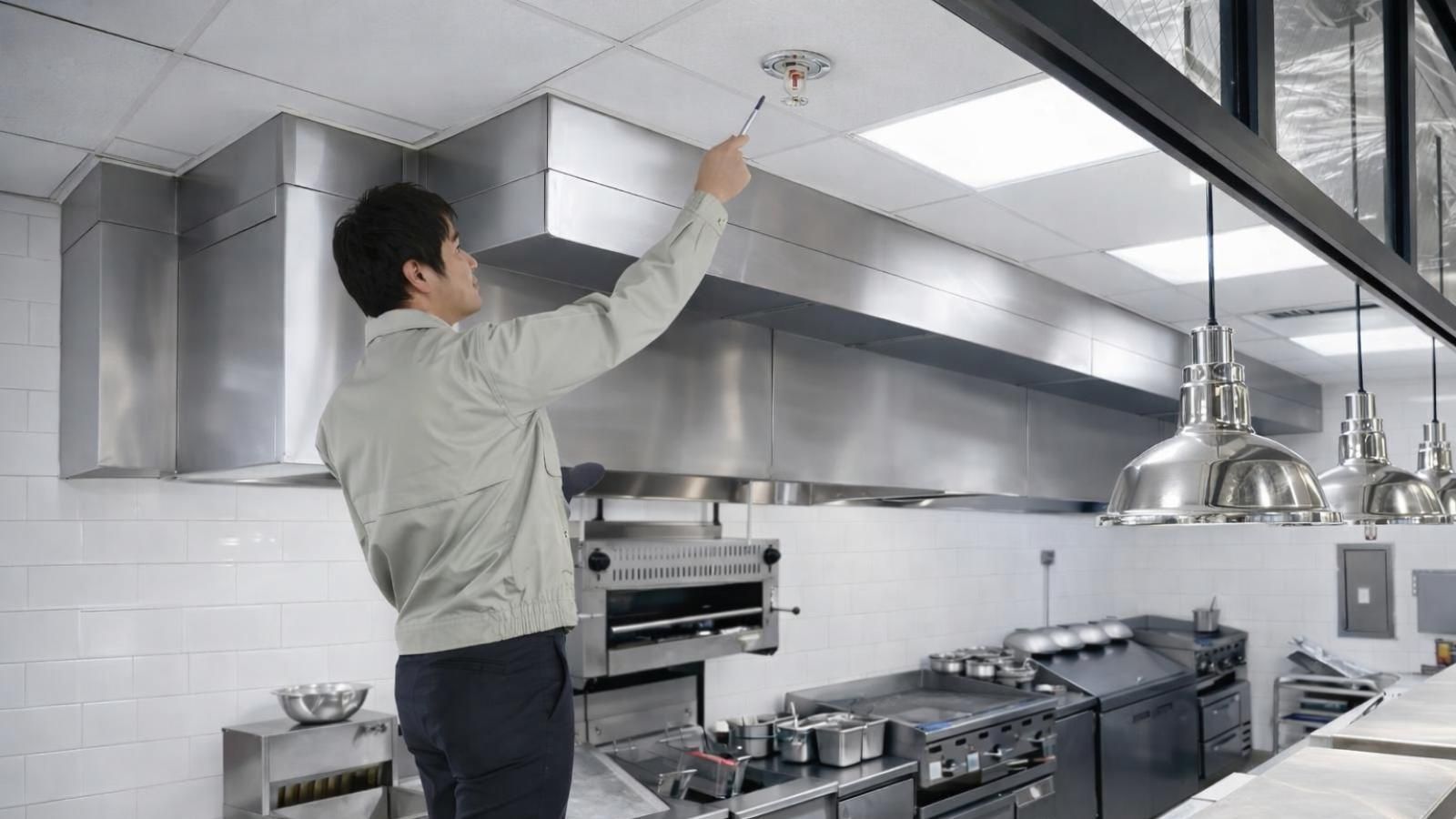
Cooking equipment and food preparation are two of the highest risks for damage in commercial kitchens. Cooking equipment specifically, posts a great risk in restaurants, cafeterias, break rooms, and other commercial kitchens for a variety of factors. From the heat source itself the risk radiates outward, combustible materials left nearby such as kitchen towels, accumulated grease, nearby ingredients and malfunctioning appliances can all quickly lead to a fire.
Commercial kitchens should pay attention to accumulation, grease, cardboard, kitchen linens and more can quickly become hidden sources of fire or fuel. Routine clear down during shift and after can remove a lot of the clutter that poses fire risks. Adequate training of employees on safe cooking and operating practices and maintaining high standards are the best line of protection your team has.
Commercial kitchens should also maintain
professionally inspected fire suppression systems that activate automatically in the event of a cooking fire.
Handling Chemical and Flammable Material Hazards
Many companies have stores of cleaning supplies for their office, while others provide services that involve a good number of chemicals such as paints and solvents as part of their daily operations.
That’s why understanding proper storage of these products is important to significantly reduce the risk of spontaneous combustion caused by improper storage, handling or use of these chemicals.
- Solvents, paints, cleaners, should all remain in their original containers, clearly labeled and stored according to manufacturer recommendations.
- Flammable materials should be kept away from ignition sources and maintained in adequate ventilation to prevent dangerous vapor buildup.
- Proper handling equipment and mitigation equipment should be on hand prior to any handling of chemicals, from protective gear to containment measures.
All employees expected to interact with flammable or dangerous chemicals should be adequately trained and demonstrate that training to the site manager prior to being allowed access. This includes handling procedures, how to respond to spills, recognize when a spill is no longer safely containable and take appropriate emergency and safety action as outlined in their training.
Consistent training helps reduce human error, which contributes to many workplace fires.
What Are the Most Effective Fire Prevention Methods?
While there are no single solution for fire prevention methods, using a well-rounded plan that combines professional inspections, routine and preventative maintenance, employee education and operational practices, topped off by a dependable fire protection systems greatly reduce the chance that a small incident becomes a major emergency.
A simple way to remember the 3 rules to prevent fires is:
- Prevention through hazard identification and routine maintenance.
- Preparedness with employee training, emergency planning, and regular inspections.
- Rapid Response using
maintained alarms, sprinkler systems, extinguishers, and evacuation procedures.
Take Action to Prevent Fires Before They Start
Proactive planning, addressing electrical system issues, malfunctioning equipment and maintaining a general orderly environment will help reduce the risk of fire at your commercial property. Having a professionally installed and maintained fire protection system tailored to your specific business such as one by Gen X Fire Sprinkler is the gold standard of proactive fire solutions.
GenX Fire Sprinklers helps businesses throughout the greater Kansas City area region improve fire safety with inspections, fire sprinkler solutions, system maintenance, and ongoing fire prevention support designed to help stop emergencies before they spread.