Do You Really Need a Fire Suppression System?
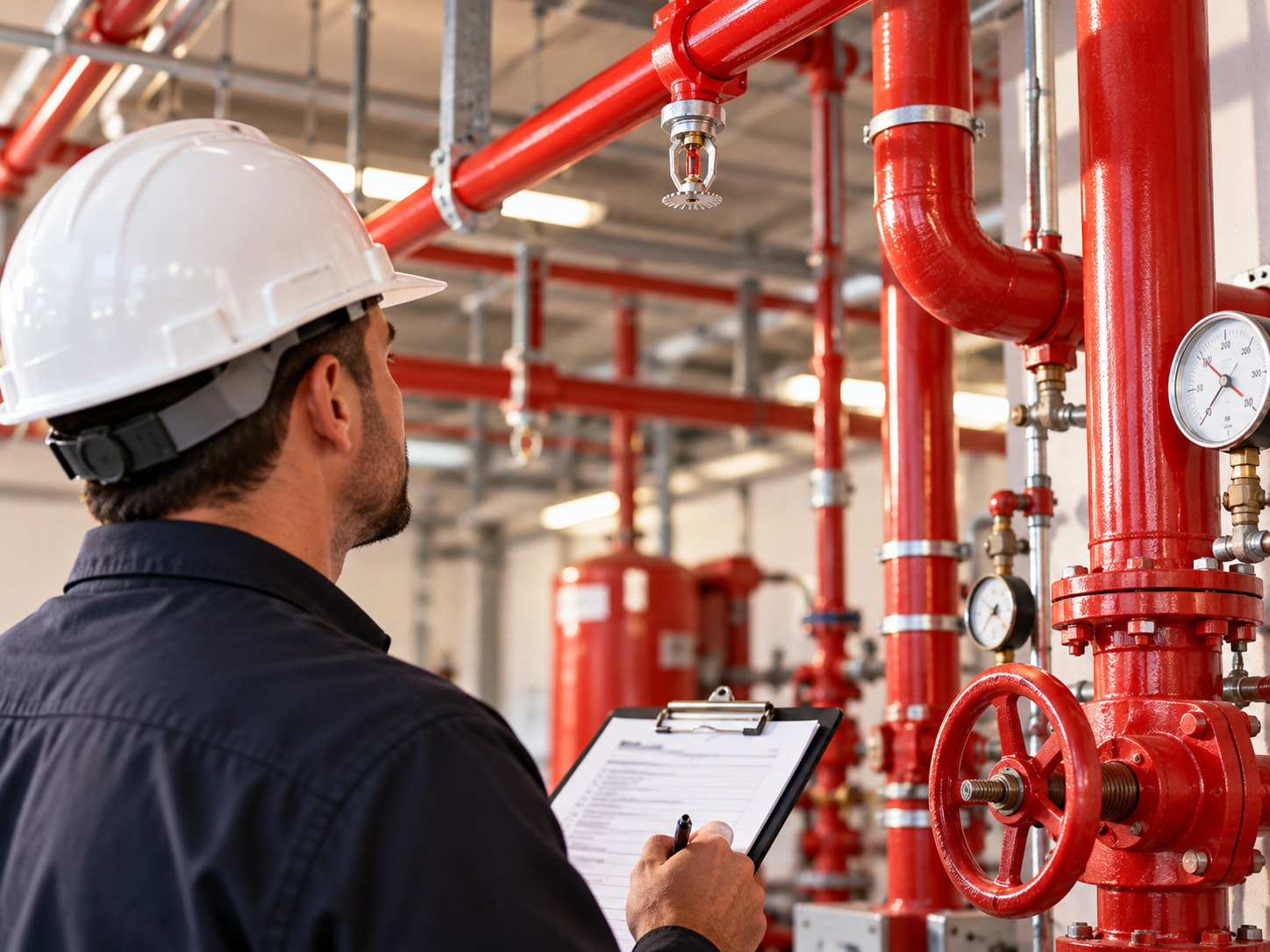
Is your building protected with a fire suppression system? As a property owner, it’s important to know how a fire suppression system operates, when it’s required, what your options are, and which systems are ideal for your space. Fire suppression equipment is crucial for fire safety in both commercial and residential buildings.
Fire suppression is not a one-size-fits-all operation. A restaurant kitchen, data center, or multi-family dwelling will each have different fire suppression equipment needs. This guide will discuss what’s required by code and what’s most beneficial for your building’s fire risks.
In this post, we will discuss:
Yes—Many Buildings Require or Benefit from Fire Suppression
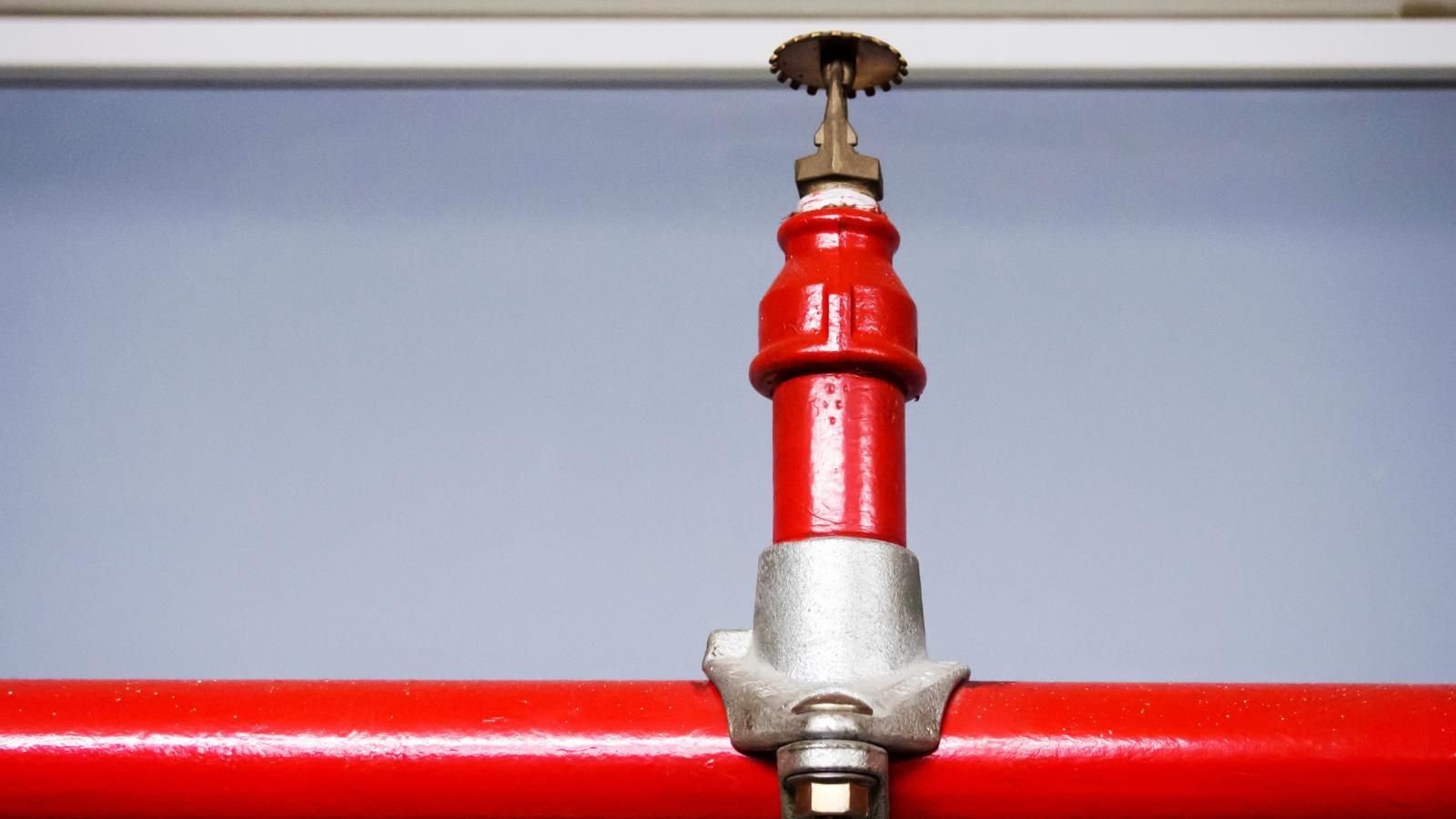
Many buildings, depending on their use, size, and occupancy, require a fire suppression system, and many more will significantly benefit from them.
Commercial buildings, especially those with high fire risks, dense occupancy, or critical infrastructure, are required to have approved fire suppression equipment installed in accordance with local building codes and national safety standards such as NFPA 13.
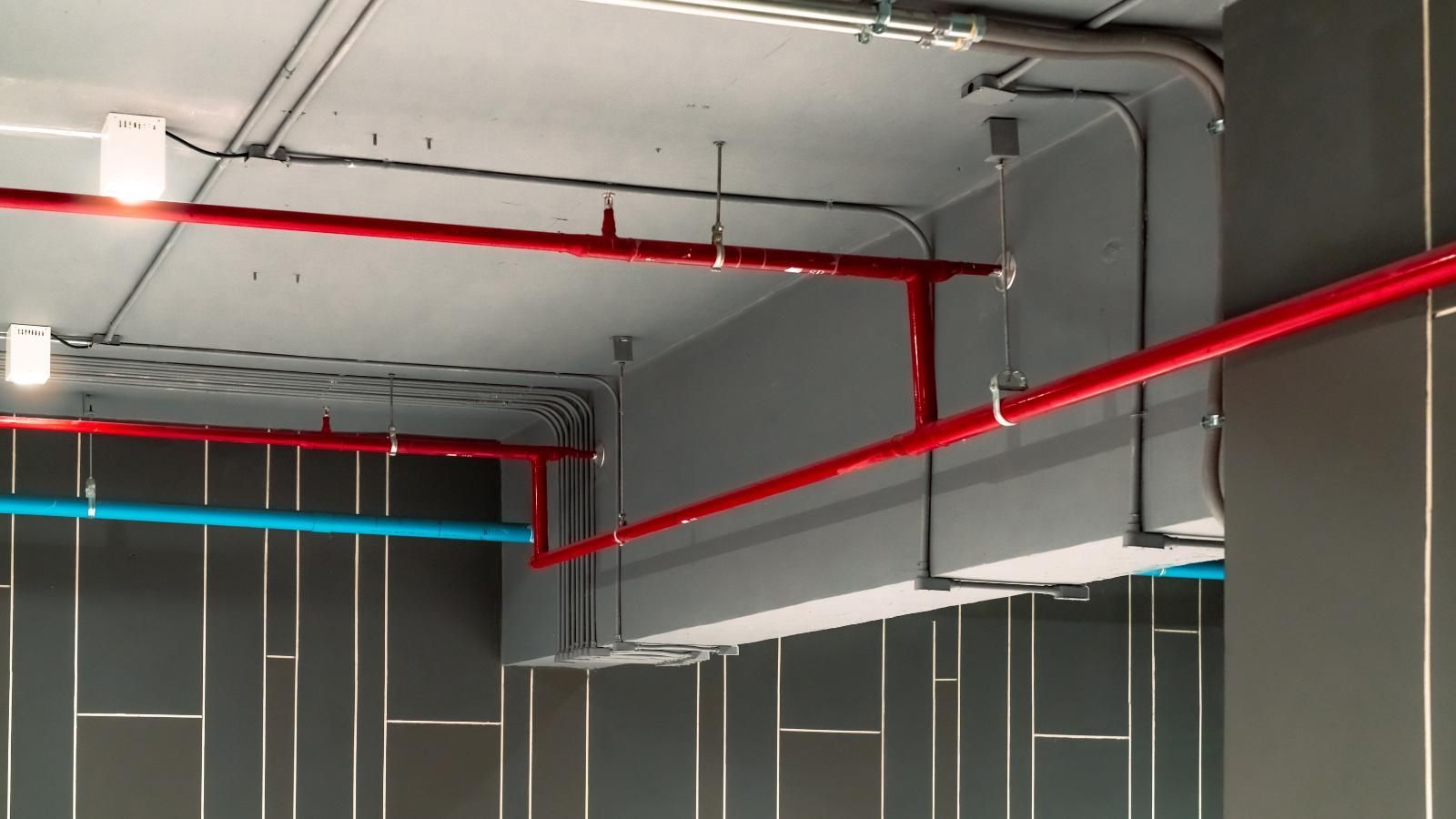
A combination of active systems (such as sprinklers and gas-based suppression) and passive systems (such as fire-rated walls and smoke barriers) is used to slow or extinguish a fire. Implementing both active and passive systems together is the most effective way to protect people and property, while allowing emergency responders sufficient time to act.
How your building is used will determine the fire suppression requirements. Industrial facilities, restaurants, healthcare centers, and large residential complexes are considered high-risk environments and must meet strict fire safety codes. If a building exceeds a certain square footage or occupancy load, fire suppression systems are legally mandated.
When Fire Suppression Systems Are Required
Legal codes and safety standards will clarify what’s required for fire protection according to a building’s use and risk levels. Certain fire suppression equipment (sprinklers, fire doors, or flame-retardant materials) is required by law to protect life and property in most commercial buildings.
- Sprinkler systems are required in buildings like office buildings, warehouses, and multi-family housing units exceeding a certain square footage. Schools, malls, and theaters are also required to have fire sprinkler systems.
- Strict fire protection codes are in place to protect hospitals, nursing homes, or sleeping occupants – any space that serves vulnerable populations. Both active and passive fire protection measures, like fire-rated doors and flame-resistant materials, are required.
- Specialized fire suppression systems (such as foam or gas-based solutions) are mandated for industrial sites or storage facilities housing hazardous materials.
Who Needs a Fire Suppression System?
When risk factors are high, fire suppression systems will be required, and even when not mandated, many more buildings would benefit from them. Knowing why certain facilities require fire suppression equipment enables you to make informed decisions for your space.
- Dormitories, hotels, and apartment complexes: Rapid-response fire suppression systems (sprinkler systems, smoke barriers, and alarms) are required when people stay overnight in a building.
- Data centers, server rooms, and buildings containing valuable electronics often utilize clean agent systems or inert gas suppression systems to extinguish fires while protecting sensitive equipment.
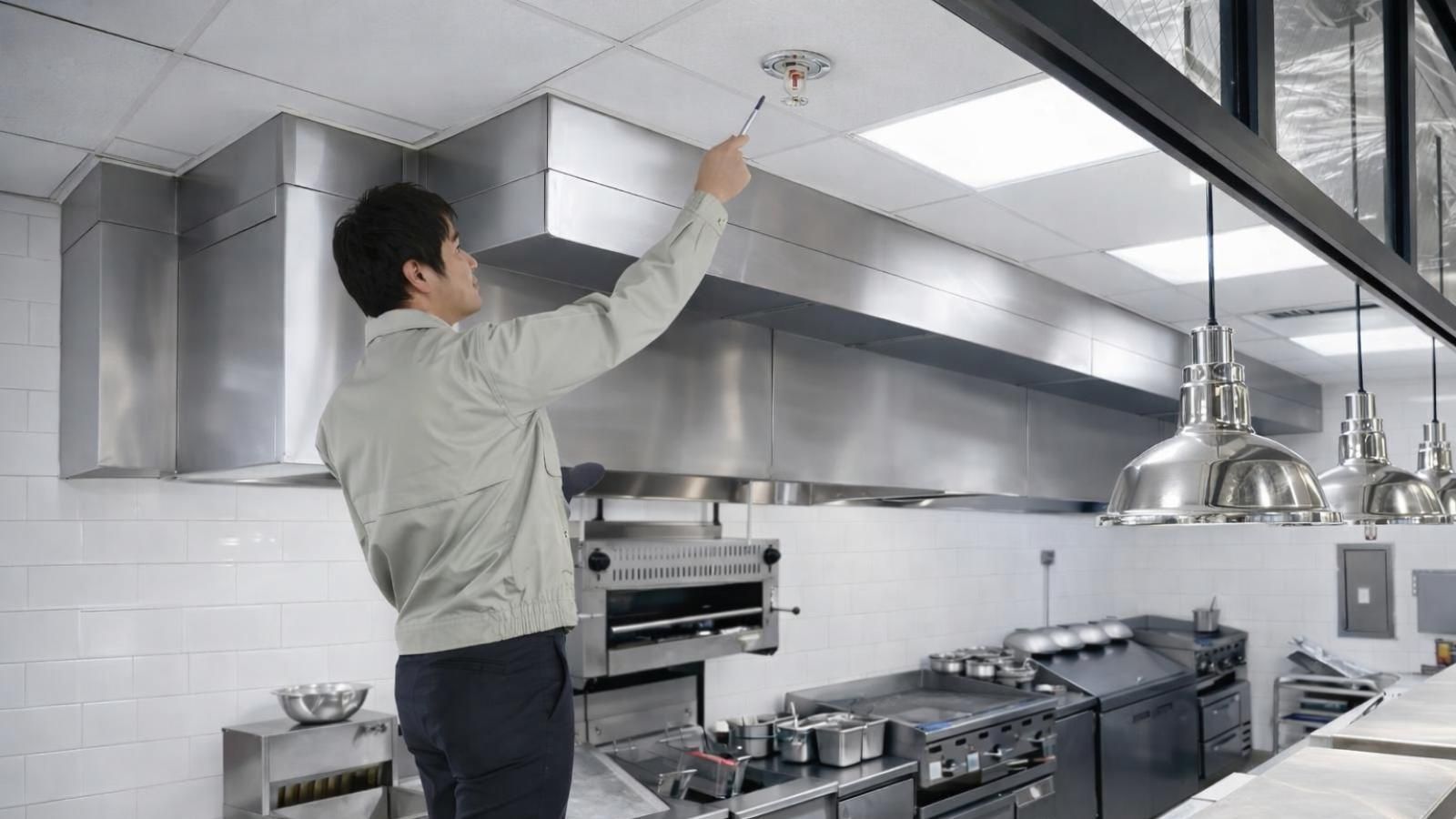
- Commercial kitchens: Restaurants and cafeterias pose a fire risk with open flames, oils, and appliances. Hood suppression systems rated to suppress grease fires will be installed.
- Remote buildings: To protect life and property, fire suppression is required in areas where emergency response times may be delayed.
Types of Fire Suppression Systems
A combination of active and passive fire suppression technologies is customized to a building’s function, layout, and risk factors:
Active suppression systems include:
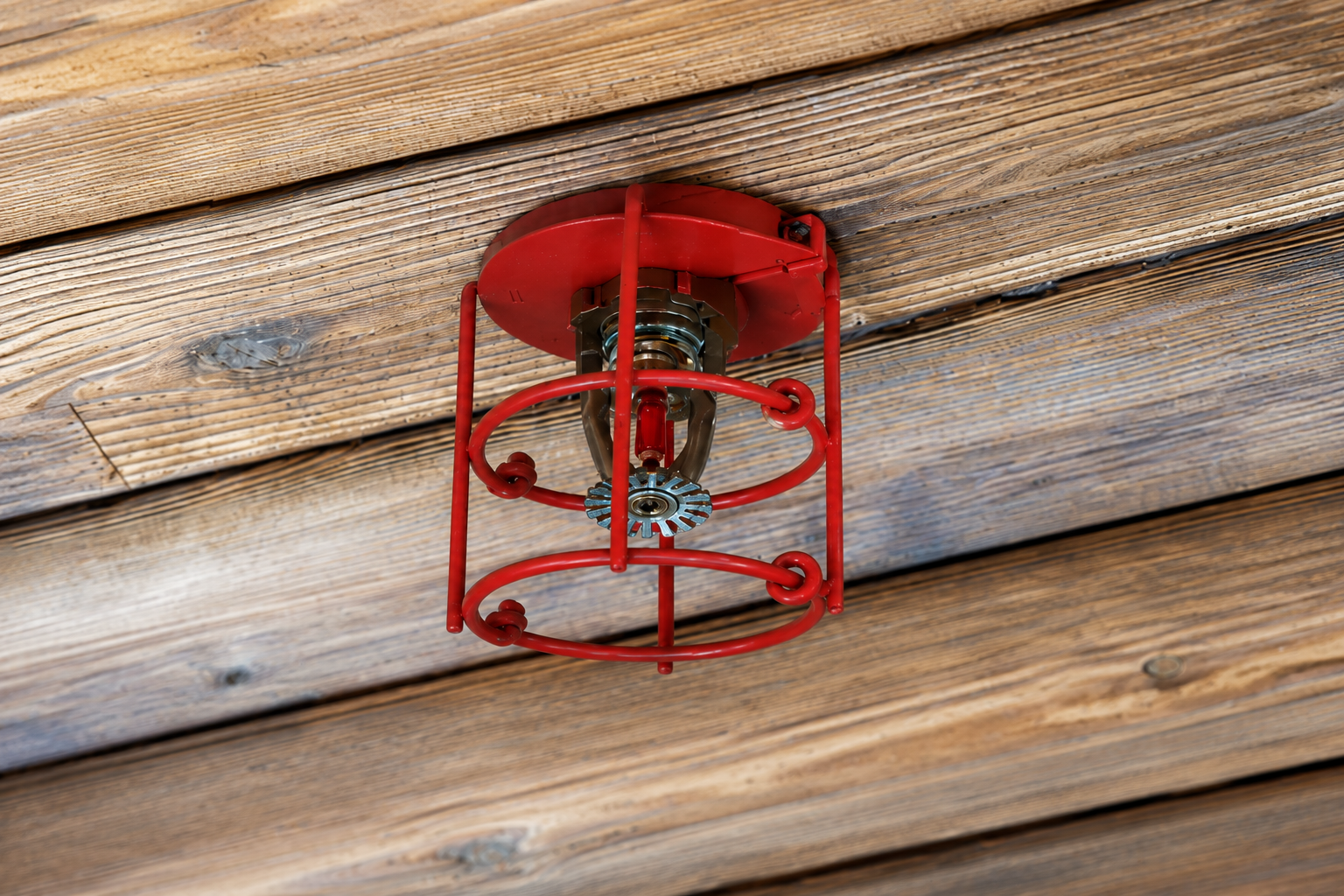
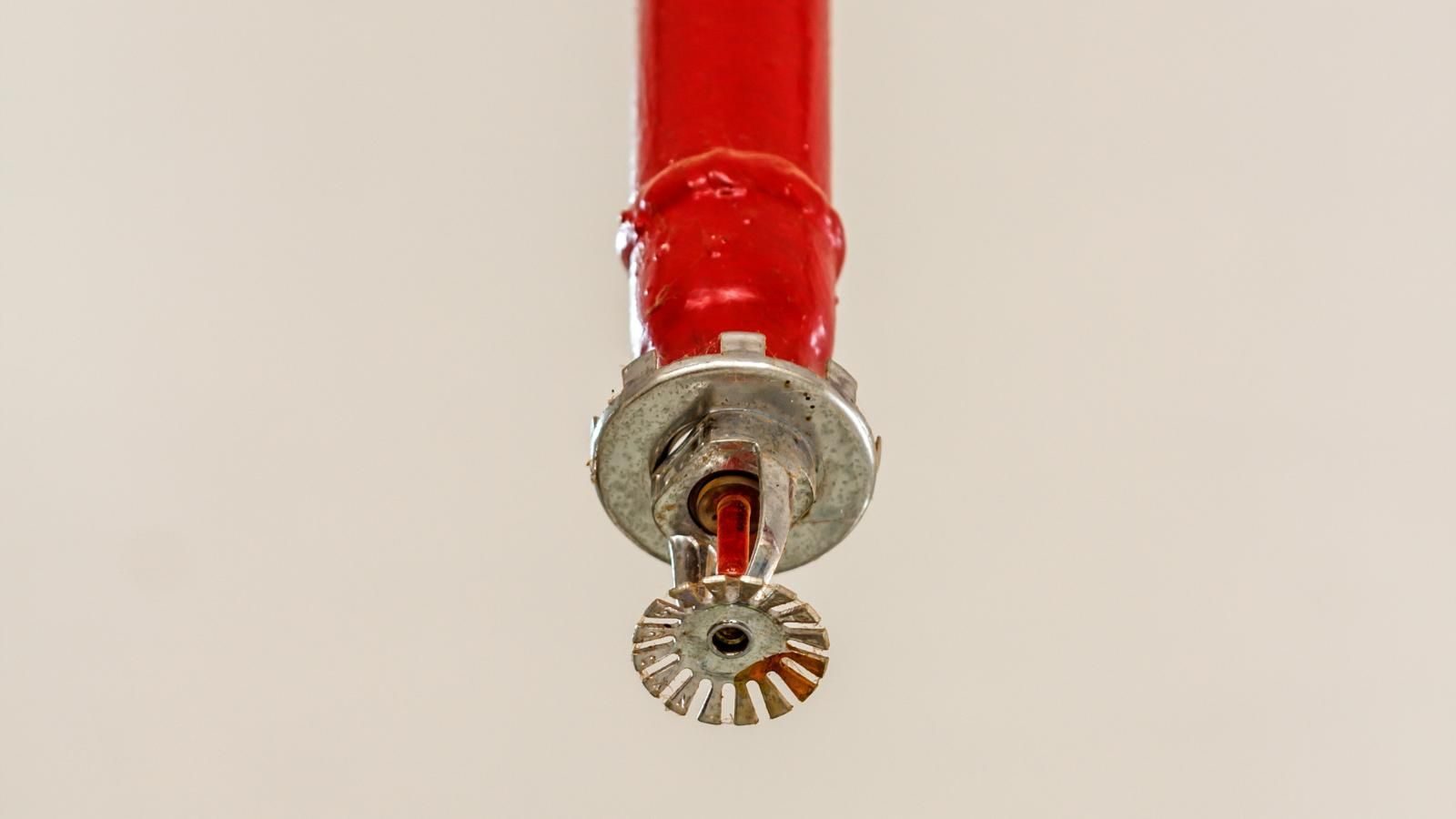
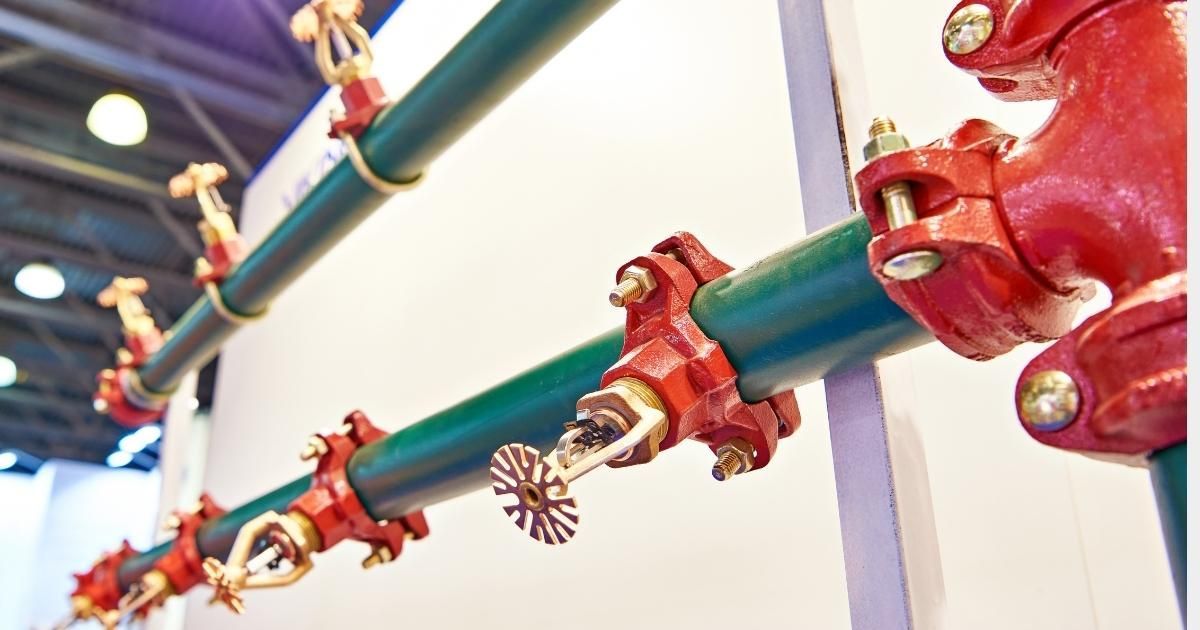
- Sprinkler systems (wet, dry, pre-action)
- Chemical suppression systems designed for kitchens and industrial spaces
- Clean agent systems that protect electronics without water damage
These systems quickly detect and suppress fires.
Passive fire protection systems suppress the spread of smoke and fire with:
- Fire-rated doors that compartmentalize sections of a building
- Flame-retardant insulation and wall assemblies
- Smoke barriers and fire dampers in ductwork
When active and passive fire protection systems are expertly customized to your space, the risk of smoke and fire will be drastically reduced.
Professional help will ensure the fire protection strategy is the most efficient and meets compliance codes.
What Does Fire Suppression Actually Mean?
The distinction between “fire suppression” and “fire prevention” becomes blurred when they are used interchangeably, yet they serve different roles in fire safety.
- Fire prevention reduces the risk of a fire starting. Safe electrical wiring, proper storage of flammable materials, and regular inspections are fire prevention measures.
- Fire suppression refers to systems and actions that control, contain, or extinguish fires after ignition. Fire suppression can be designed as an automatic or manual response to protect lives and property.
Additionally, the term “fire protection equipment” could be confusing. This broad term refers to fire suppression tools (like sprinklers or extinguishers) and passive systems, like smoke detectors, emergency lighting, and alarms.
Protect People and Property with the Right Fire Suppression System
Those who own or manage a commercial kitchen, a tech-savvy workspace, or a residential complex will need a fire suppression system installed and maintained. Any building with high occupancy, valuable equipment, or one needing extended response times will benefit from fire suppression systems.
Most importantly, fire suppression systems can save lives, protect property, and help you recover from a fire faster. The right customized system of fire sprinklers and passive fire barriers provides the best protection.
Ready to protect your building? Contact GenX Fire Sprinklers LLC, serving all of Johnson County, including Shawnee and Lenexa, today for a system tailored to your building’s layout, risk profile, and local compliance requirements. We proudly serve the Kansas City area, on both sides of the state line, with customized solutions that deliver peace of mind.